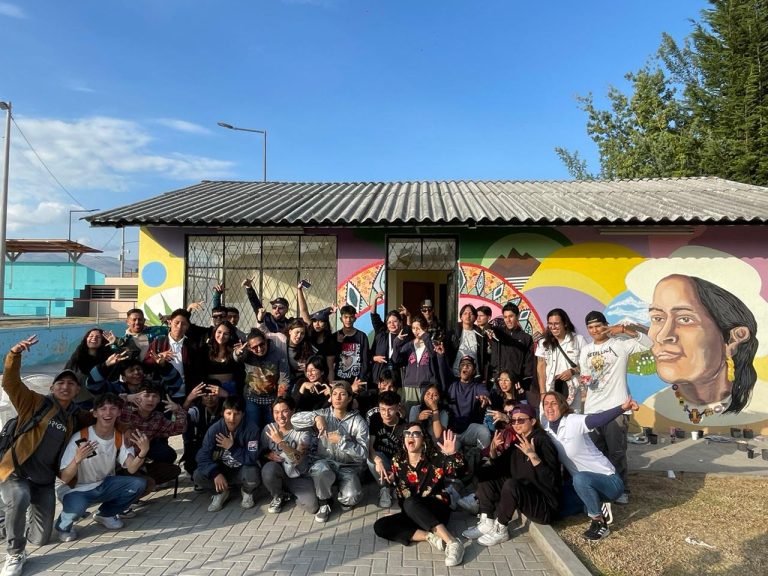
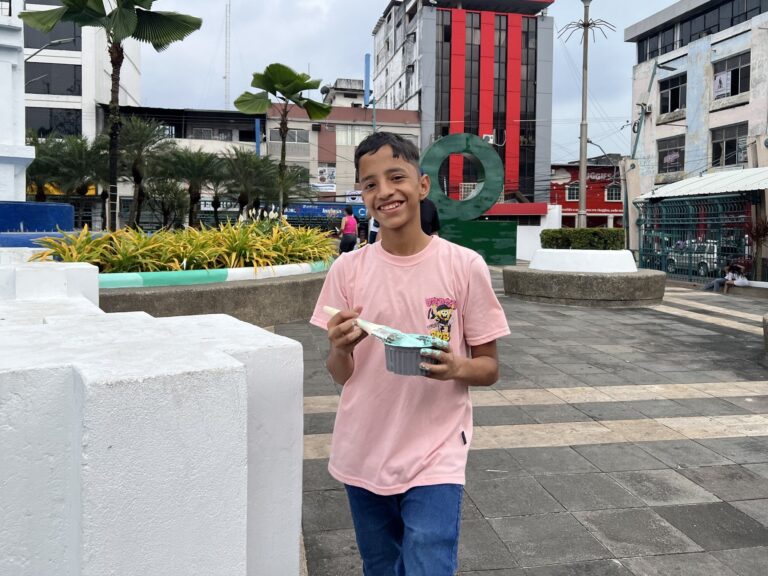
A learning exchange between Healthy Cities for Adolescents projects in Ghana and India has become the first example within HCA-II of cross-country learning moving beyond knowledge sharing to the adaptation and testing of approaches in different country contexts.
Following an exchange in September 2025, the Safe Vibrant and Healthy Public Spaces (SVHPS) project in India has adapted Ghana’s Adolescent Parliament model, while the Resilient Cities for Adolescents (RCA) project in Ghana is piloting elements of India’s Public Spaces Assessment Framework (PSAF).
The exchange brought together two complementary approaches to adolescent participation. RCA Ghana’s Adolescent Parliament provides a structured platform for adolescents to engage with local authorities and inform decisions affecting their health and wellbeing. In India, the PSAF enables adolescents to assess public spaces, identify gaps and generate evidence that can inform improvements to their cities.
The projects saw an opportunity to combine these strengths: creating stronger mechanisms for adolescents to participate in decision-making in India, while equipping adolescents in Ghana with a practical tool to generate evidence to support their recommendations on developing adolescent-friendly public spaces.
From exchange to implementation
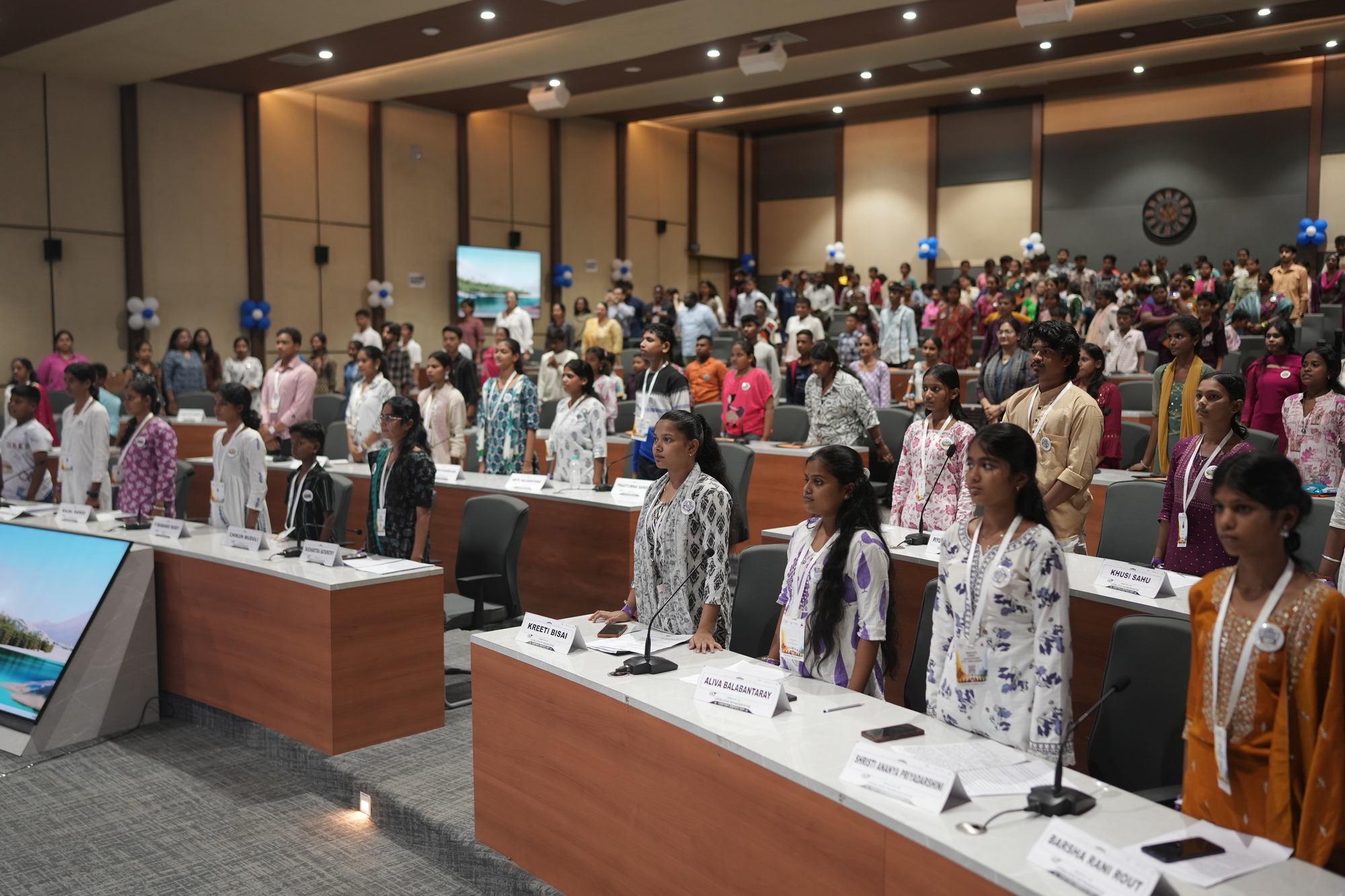
In India, the learning has already translated into action in Bhubaneswar.
During the SVHPS project’s extension phase, Humara Bachpan Trust (HBT), a city partner of the project led by WRI India, adapted the Adolescent Parliament approach to their existing Youth Peer Group model, engaging more than 750 adolescents from 113 communities across the city’s three zones.
Adolescent-led audits across 36 communities identified priorities including water and sanitation, safety and security, infrastructure, mobility, public spaces and responsive governance.
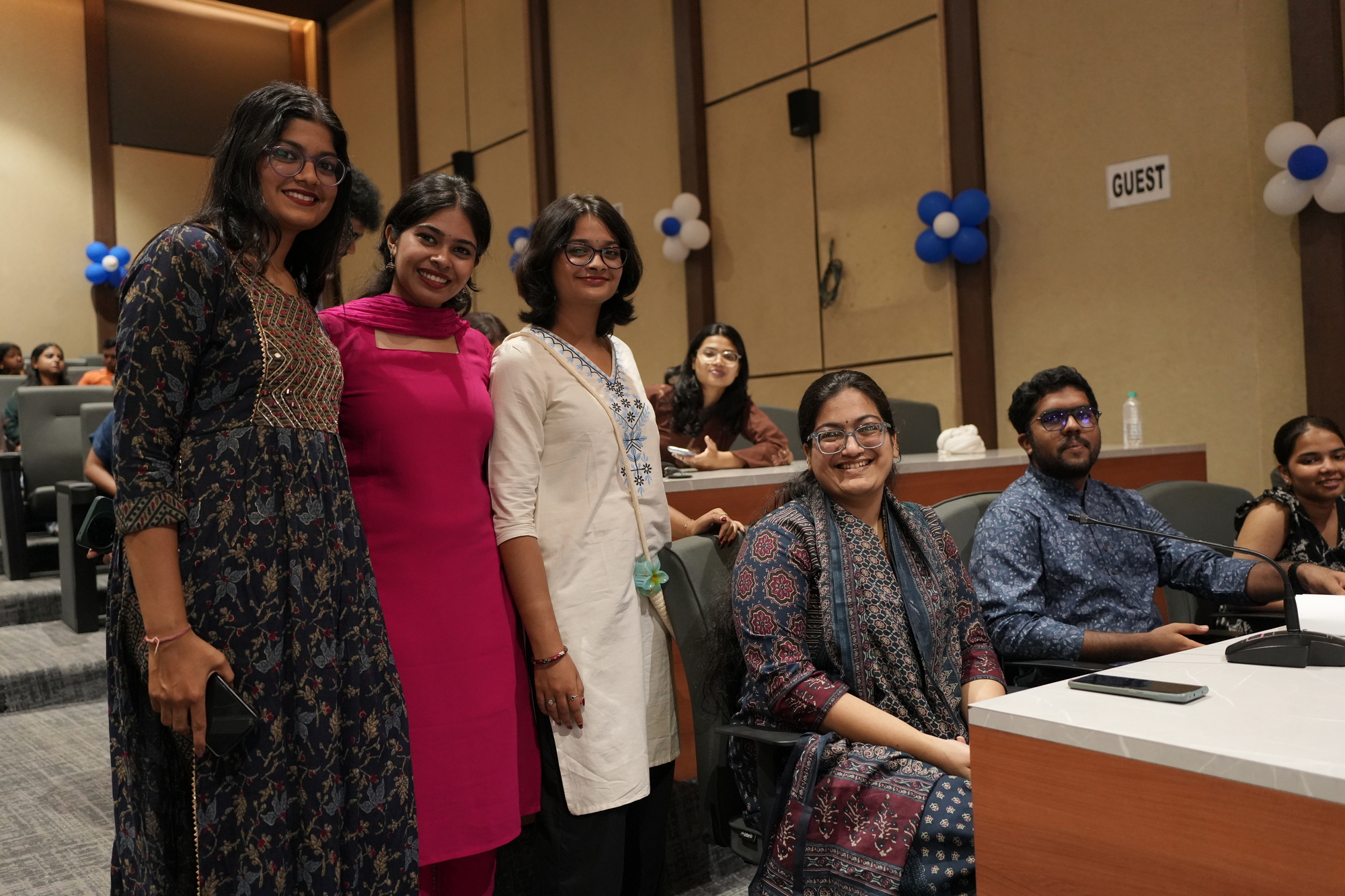
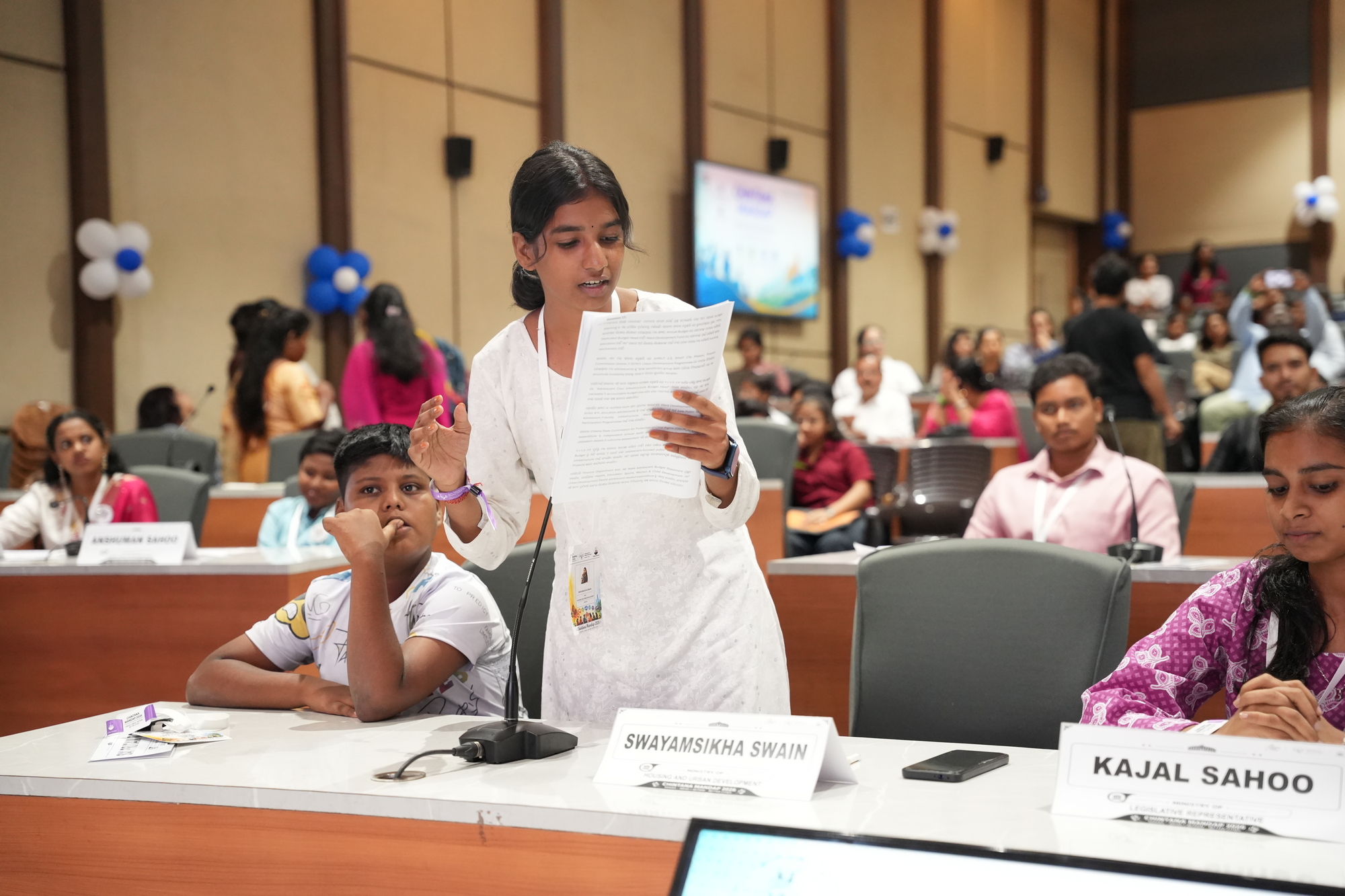
The process culminated in Chintana Mandap, a city-level Adolescent Parliament held on 25 June 2026 at the Bhubaneswar Municipal Corporation (BMC) headquarters, marking an important milestone in adapting the Ghanaian model to the Indian context. Forty adolescents discussed their observations, highlighted the challenges they had identified and presented recommendations to city leaders, including the Mayor of Bhubaneswar, Sulochana Das, BMC Commissioner Chanchal Rana, Standing Committee Chairpersons and city Corporators.
The approach provides a way to take the evidence adolescents are already generating through SVHPS and connect it more directly with local decision-making.
Learning travels in both directions
The exchange has also led to practical adaptation in the opposite direction. RCA Ghana is now piloting elements of India’s PSAF during its extension phase, bringing an approach developed with adolescents in India into the Ghanaian context.
Through the Parliament, adolescents in Ghana already have a recognised platform to raise concerns, engage with local authorities and advocate for change. The PSAF strengthens this process by introducing a structured methodology for assessing public spaces and generating evidence, enabling adolescents not only to identify problems but also to support their recommendations with data and documented observations.
By bringing the two approaches together, RCA is testing how adolescent-led evidence can strengthen young people’s participation in urban decision-making – moving from identifying priorities to backing them with structured data and recommendations for city authorities.
Piloting and adaptation are underway in 2026, with the approach expected to be progressively integrated into city planning processes.
A first for HCA-II
The Ghana-India collaboration is the first example within the HCA-II portfolio where a facilitated cross-country learning exchange has led two projects to adapt and test each other’s approaches in their own contexts.
While both adaptations are still at an early stage, the exchange marks an important step for HCA-II: moving cross-country learning from sharing experience to practical implementation, and showing how locally developed approaches can be adapted rather than simply replicated across different contexts.