Project webinars
- showcase local innovations
- share tools and approaches
- reflect on implementation challenges
- elevate adolescent and city voices
As a global programme, we have a great opportunity to exchange experiences from different contexts. This enables us to fast-track learning, troubleshoot collectively, and test approaches that have worked in one context in another.
Learning exchanges happen virtually, through regular project and programme-led webinars, as well as more deeply through in-person exchange visits supported by grants. These exchanges help move from individual project learning to shared programme knowledge and improved practice across cities.
Webinars are the programme’s live learning channel – creating regular opportunities to exchange practice, surface insights and connect the global HCA community.
They allow teams to share progress, explore common challenges and spotlight emerging practice across cities.

Learning exchange visits are supported through dedicated grants and are deeper opportunities for exchange between projects that share a similar focus. They typically involve:
Each exchange generates a learning output that can contribute to the wider programme.
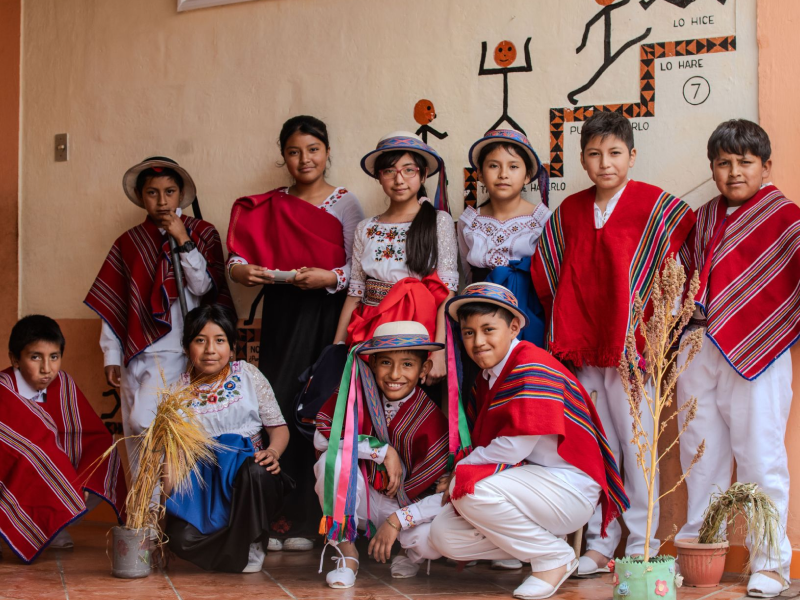
In January 2026, teams from Jaipur and Bhubaneswar (India) travelled to Quito, Riobamba and Quevedo (Ecuador) to learn from the Alza Tu Voz initiative. They explored how adolescent leadership is embedded in governance processes, public space design and community engagement.
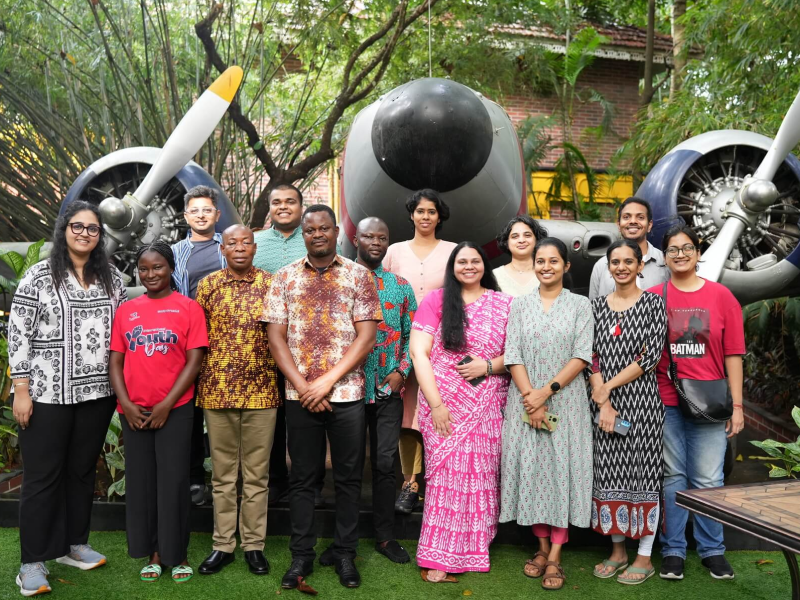
In September 2025, Healthy Cities for Adolescents projects came together across borders for two dynamic learning exchanges – each designed to strengthen adolescent leadership, participation, and well-being in urban contexts. Ghana met India to reimagine youth-led cities
In India, the Resilient Cities for Adolescents (RC4A) project from Ghana met with Safe, Vibrant and Healthy Public Spaces (SVHPS) project to explore how adolescent leadership can be woven into urban development. SVHPS brings extensive experience in creating public spaces with adolescents at the centre, while RC4A shares its innovative adolescent parliament model from Ghana.
Read about other ways learning happens across the programme:
A key moment to reflect, connect and shape future direction.
Real examples of change and lessons emerging from projects.
Resources, tools, case studies and multimedia from across the programme.