From local councils to national parliaments and global institutions, adolescents across the Healthy Cities for Adolescents (HCA) programme are proving that meaningful partnerships begin by giving young people a seat at the table.
This year’s International Youth Day themes of “Global solidarity, shared challenges and youth innovation” recognise that cooperation and partnership building is critical to ensuring young people can seek opportunity, participate meaningfully and shape sustainable urban future futures. Across the Healthy Cities for Adolescents (HCA) programme, this vision is already becoming reality as adolescents work alongside communities, local governments and international organisations to design healthier, safer and more inclusive cities.
This year also marks an important milestone for the programme. HCA projects in Ghana and Ecuador have been selected to collaborate with the World Health Organization (WHO) and its country offices, bringing adolescents’ ideas and solutions into one of WHO’s flagship initiatives supporting Sustainable Development Goals 3 and 11.
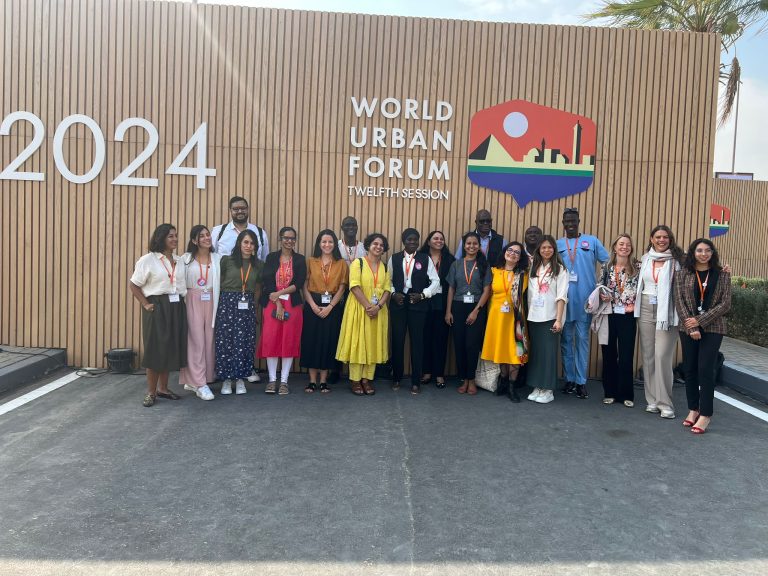
Earlier this year, the HCA Global Learning Forum in Accra demonstrated the value of these partnerships in practice. During the Urban Youth Dialogue, adolescents from HCA projects met with representatives from WHO, UNICEF, international NGOs and the Swiss Embassy in Ghana. Rather than speaking on behalf of young people, decision-makers listened directly to their lived experiences, discussed urban challenges and explored adolescents’ own ideas for healthier cities.
Across the HCA programme, partnerships take many forms from the local to international level. Adolescents are forming partnerships with their communities, governance systems and wider stakeholders, taking leadership roles in shaping civic dialogue, public-space planning and influencing local decision-making.
In Ghana, the Resilient City for Adolescents (RCA) project has supported the creation of the Sunyani Adolescent Parliament, a policy-influencing body made up of 19 adolescent Members of Parliament democratically elected by their peers. Representing their communities, they develop manifestos, debate issues ranging from sanitation to education and engage directly with national decision-makers, including during visits to the Parliament of Ghana. The initiative is already inspiring wider change, with one Adolescent MP leading the establishment of the first-ever Students Parliament at Sacred Heart Senior High School – the only initiative of its kind in the Bono Region.
In India, adolescents are working alongside city officials to shape more inclusive urban environments. Through the SVHPS project, young people participate in workshops and co-creation sessions to identify what makes public spaces safe and accessible. During the Chintana Mandap Adolescent Parliament, around 40 adolescents met with the Mayor, the Bhubaneswar Municipal Corporation Commissioner and other city leaders to recommend improvements along routes used daily by students. Meanwhile, adolescents involved in the ACT Indore project regularly exchange insights with municipal authorities and co-develop recommendations for climate-resilient, youth-inclusive urban planning.
In Ecuador, the first Alza Tu Voz Adolescent Summit brought together more than 300 participants and over 30 speakers. Adolescents participated in every panel discussion, speaking directly with representatives from WHO, UNICEF and other stakeholders on issues including belonging, violence, opportunity and mental health.
In Senegal, the Fort pour le Futur project has engaged more than 5,000 adolescents and young people aged 10-24 through Youth Talks and Theatre Forums. These community dialogues create safe spaces to discuss issues that are often difficult to address openly, while municipal representatives regularly participate, giving adolescents direct opportunities to engage with local decision-makers.
In Vietnam, the Co-creating Healthy Cities for Adolescents and Youth project has supported advisory groups and Children’s Councils, enabling adolescents to influence decision-making on education, digital services, school safety, mental health and urban development. Their recommendations have contributed to tangible changes, including the construction of 21 new playgrounds, reduced textbook costs for disadvantaged students and advocacy that helped shape the national ban on e-cigarettes in schools. Through the Green Citizens, Healthy Cities project in Tam Ky and Hoi An, students are also turning environmental research and stakeholder engagement into practical proposals on ecotourism, waste reduction and environmental protection.
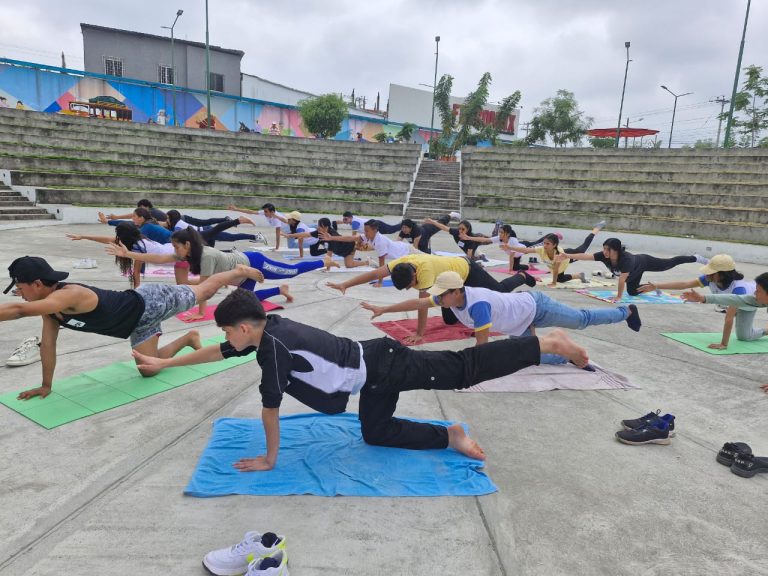
In Colombia, Vivo Mi Calle has brought adolescents, neighbours and volunteers together to transform public spaces in Cali and Palmira through clean-up campaigns, mural painting, sport and community events. Working alongside local partners, young people are helping communities identify challenges, develop shared solutions and reclaim parks and streets as places of safety, belonging and connection. This included marking the opening of Caimitos Polysport Park in Palmira with a women’s football match, also celebrating International Women’s Day.
These stories illustrate that meaningful adolescent participation is built through partnerships – between young people and their communities, local governments, schools, civil society organisations and international institutions. Together, they show that adolescents are not only beneficiaries of urban development, but active partners in shaping healthier cities.
As the world marks International Youth Day 2026, HCA continues to demonstrate that when young people are trusted with real opportunities to participate, they strengthen local communities, influence public policy and contribute to global conversations on sustainable urban development.