In a school hall in Thiès, a group of adolescents stand in front of an audience of parents, teachers, community leaders and local officials. They are not there to receive a lesson. They are there to lead a conversation.
For some of them, speaking publicly in front of adults would once have been unthinkable.
Conversations about sexual and reproductive health, gender-based violence or the role of young people in local decision-making often happened without adolescents – or did not happen at all. Their opinions were rarely sought, and opportunities to engage directly with decision-makers were limited.
Today, in schools, community centres and public spaces across Thiès, Pikine and Tivaouane, those conversations are increasingly being shaped by young people themselves.
Through Youth Talks and Theatre Forum activities implemented under the Fort pour le Futur project as part of the HCA programme, more than 5,000 adolescents and young people aged 10-24 have participated in community dialogues designed to give them something many had never experienced before: a chance to be heard.
For one participant, that opportunity changed how they saw themselves.
“Before Youth Talks, I did not dare to express my opinion in front of adults,” one young participant recalled. “Today, I feel capable of speaking up for the concerns of young people in my community.”
Others describe a similar transformation.
“Through Youth Talks, I learned how to speak in public and advocate for the concerns of young people in my community,” another adolescent said.
These stories are not unusual.
Project teams have observed adolescents who initially arrived quietly and hesitantly gradually becoming discussion facilitators, youth leaders and community mobilisers. Some have gone on to lead their own sessions, creating opportunities for other young people to participate and be heard.
Creating spaces for dialogue
The change did not happen overnight.
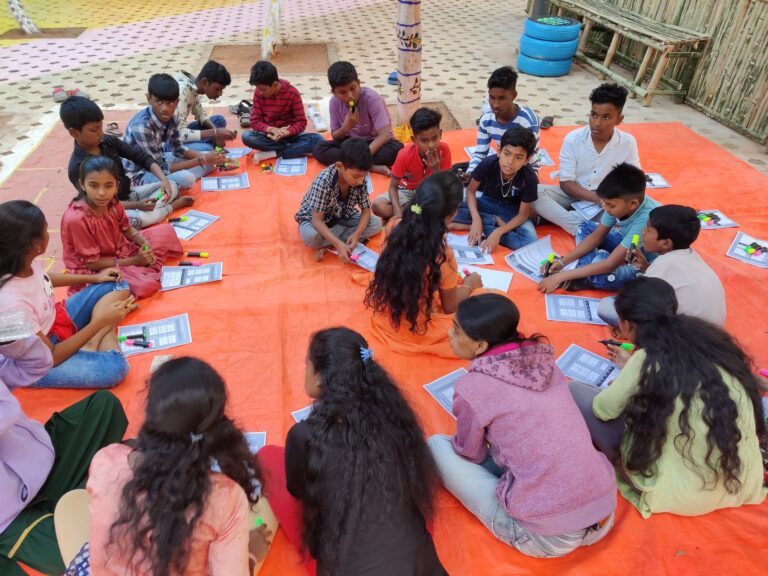
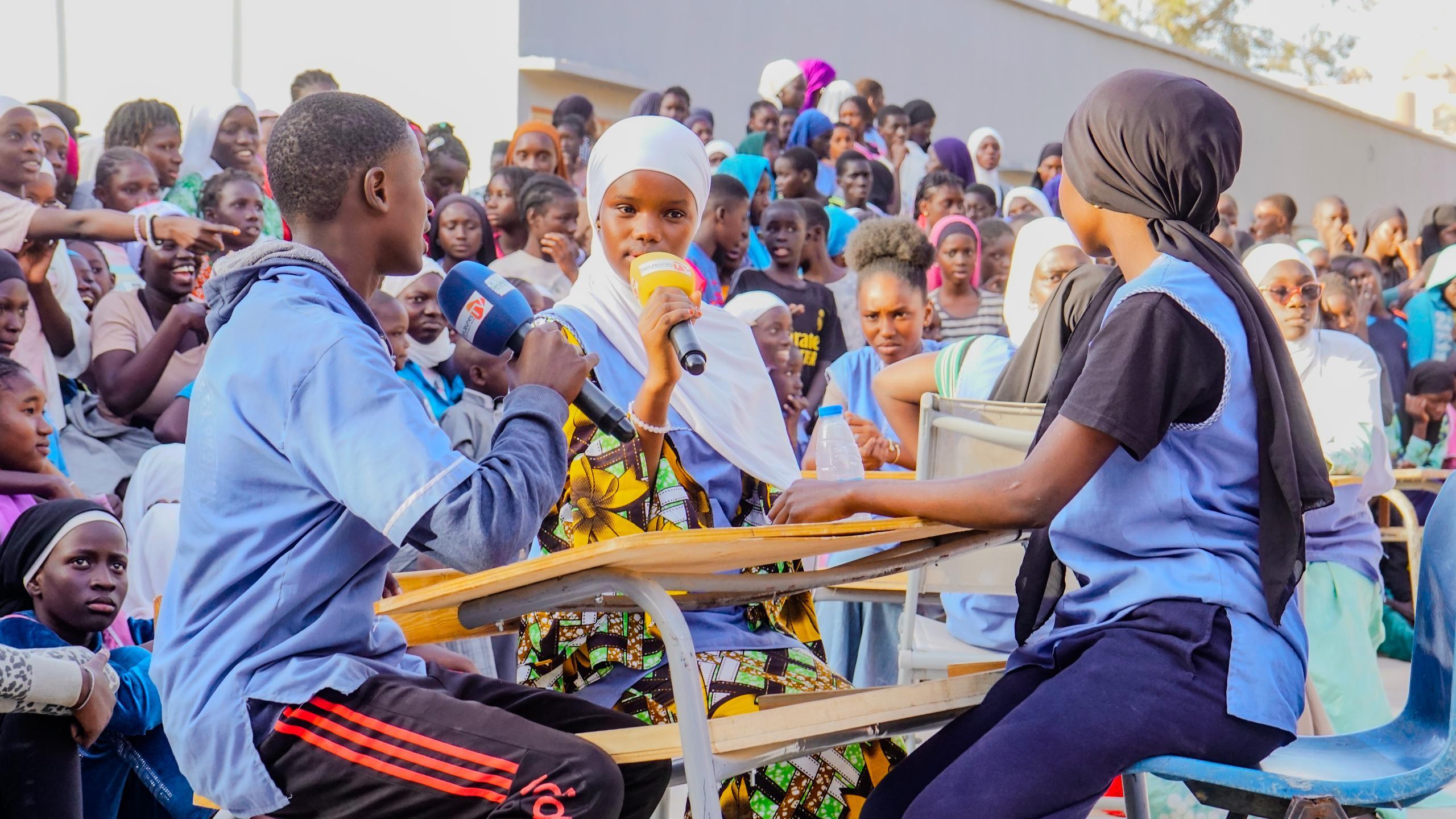
Youth Talks were created as safe spaces where adolescents can discuss issues affecting their daily lives, from nutrition and mental wellbeing to road safety, digital technology and civic participation. Facilitated by trained peer educators, the sessions encourage young people to share experiences, raise concerns and propose solutions alongside parents, teachers, community leaders and local authorities.
In many communities, the format itself represents a shift.
Rather than positioning young people as passive recipients of information, Youth Talks place them at the centre of the discussion. Adolescents help identify the issues they want to explore and contribute to shaping the conversations that follow.
The result is not only greater awareness, but greater confidence.
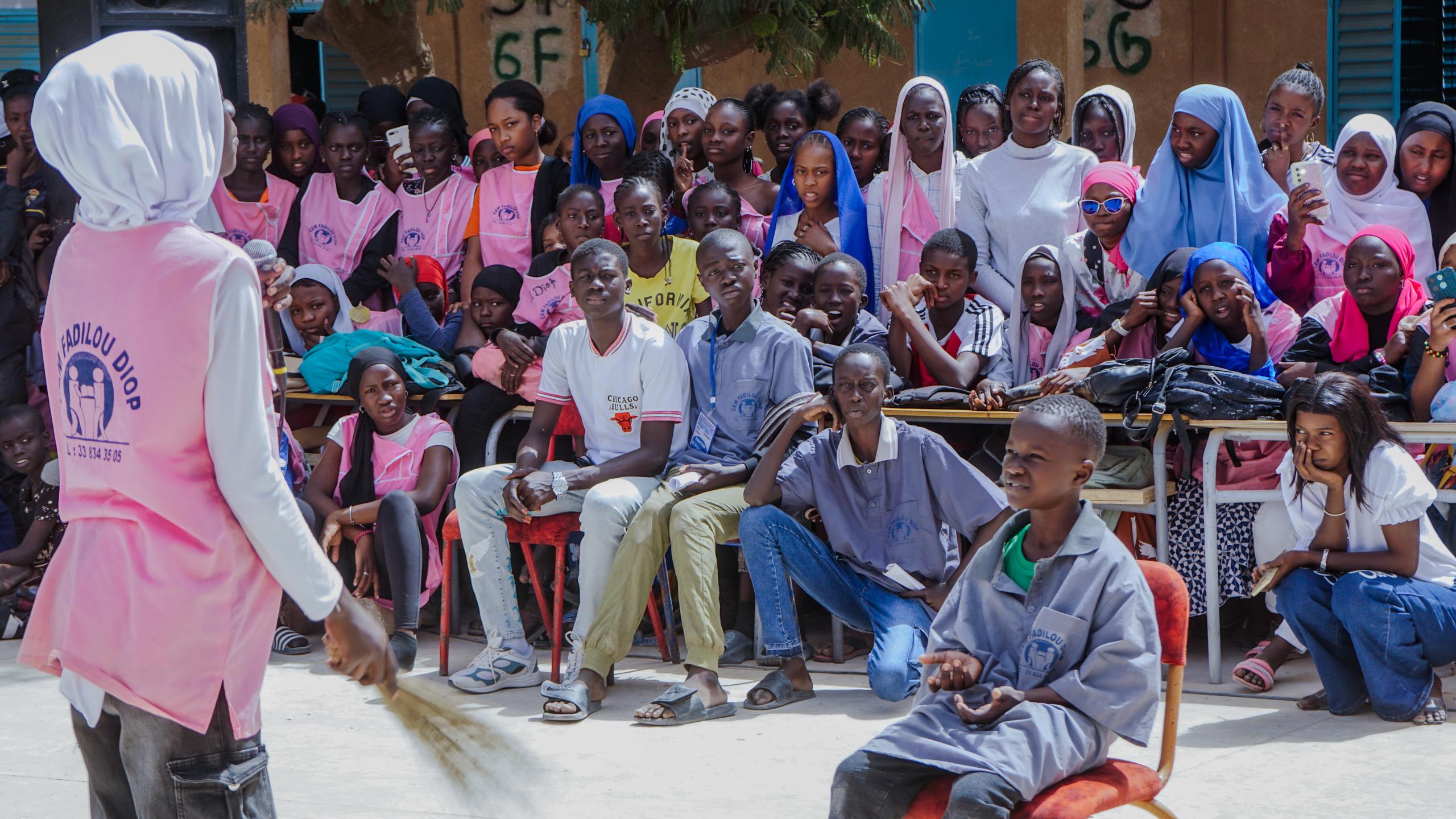
Alongside these discussions, Theatre Forums offer another way for young people to make their voices heard.
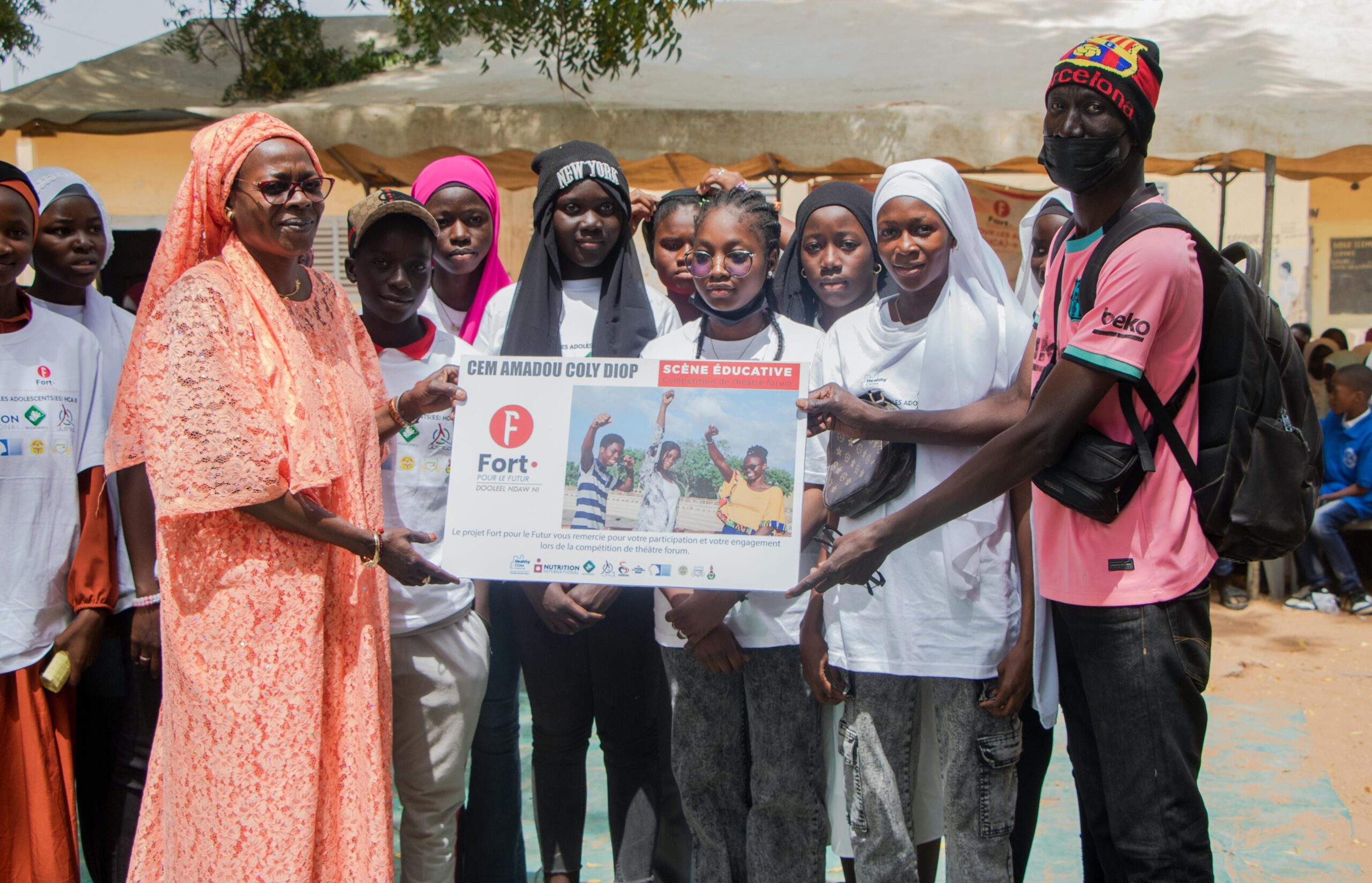
Using stories drawn from everyday life, adolescents work together to develop and perform short theatrical pieces based on challenges facing their communities. The performances are intentionally left unfinished. Once the scene ends, the audience is invited to intervene, question what happened and suggest alternative solutions.
The process transforms spectators into participants.
Parents, community members and local leaders become part of a shared conversation about issues that might otherwise remain difficult to address openly.
One such performance in Thiès focused on road safety.
Developed and performed by students, the production highlighted risks faced by pedestrians and explored the importance of traffic signs, pedestrian crossings and traffic lights. More importantly, it created a space for discussion. Audience members reflected on challenges facing children and young people in their daily journeys through the city and considered what safer streets could look like.
For project partners, these moments represent more than successful events. They demonstrate what can happen when adolescents are trusted to contribute to conversations about their communities.
Changing the conversation
The activities are also helping shift long-standing social norms.
Topics that were once considered sensitive – particularly adolescent sexual and reproductive health and youth participation in decision-making – are increasingly being discussed openly among young people, parents and local leaders. The conversations do not always lead to immediate agreement, but they create something equally important: dialogue.
That dialogue is becoming increasingly intergenerational.
Municipal representatives regularly participate in Youth Talks, creating opportunities for adolescents to engage directly with decision-makers. Parents are becoming more involved in discussions and activities. Teachers report that participating students often become more confident and more willing to express their views both inside and outside the classroom.
As the programme enters its next phase, sustainability has become a priority.
Young people are being trained in facilitation, leadership and community mobilisation, while Youth Talks are gradually being integrated into existing youth clubs and community structures. The goal is not simply to organise events, but to ensure that adolescents continue creating spaces for dialogue long after the project ends.
For many participants, however, the most important outcome is also the simplest.
Being listened to.
In communities where young people have often been expected to listen rather than speak, Youth Talks and Theatre Forums are helping create a new culture – one where adolescents are recognised not only as beneficiaries of change, but as active contributors to it.
The transformation may not always be dramatic. It may begin with something as simple as a young person raising their hand, sharing an opinion or asking a question.
But every conversation starts somewhere.
And increasingly across Senegal, young people are helping lead it.