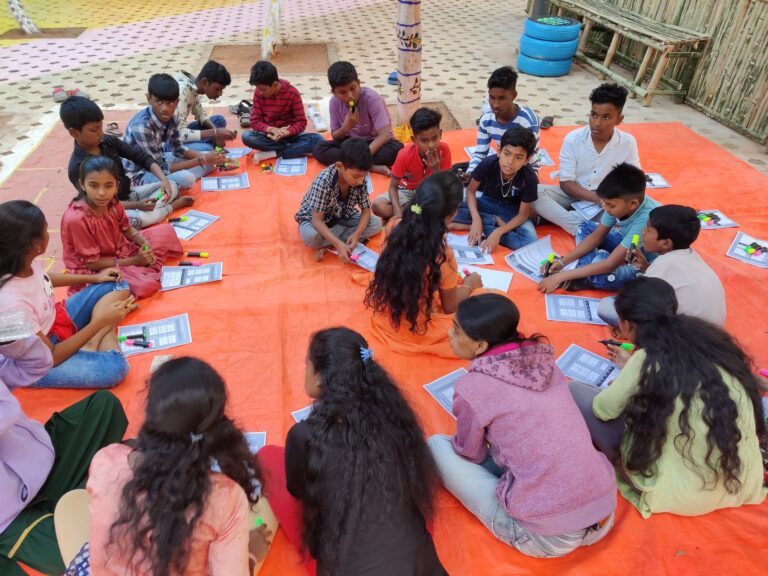
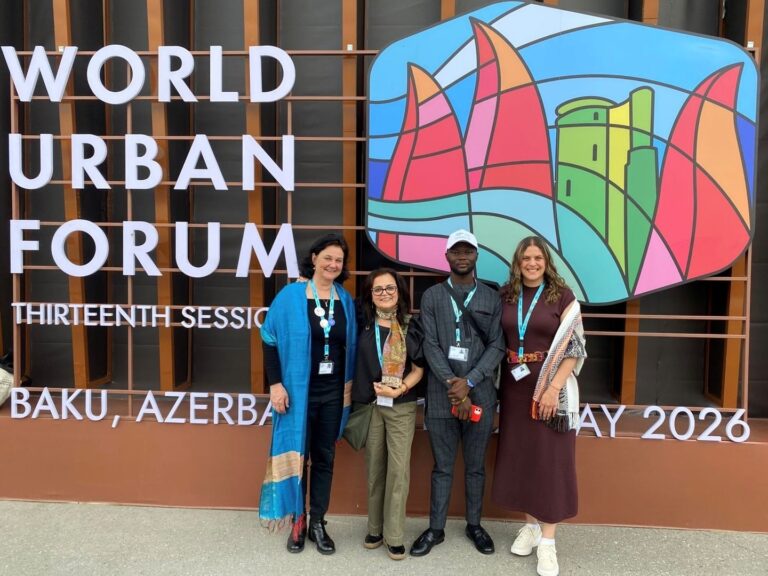
Partners from across the Healthy Cities for Adolescents (HCA-II) and other Fondation Botnar supported programmes came together in Hoi An in late June 2026 to validate the preliminary findings of a Situation Analysis (SitAn) that will help guide future investments and programming for adolescents and young people in the newly expanded Da Nang.
Commissioned by UNICEF and supported through HCA-II, the Situation Analysis provides an in-depth assessment of the lives of adolescents and young people aged 10-24. It examines key issues related to young peoples’ health and wellbeing including education, employment, digital inclusion and participation opportunities, while also mapping Fondation Botnar-supported initiatives and the wider ecosystem of organisations working with young people across the city.
The analysis comes at an important moment for Da Nang. Following the merger with Quang Nam Province, the newly expanded city is now home to approximately 2.8 million people, including more than 794,000 children under the age of 18 – around 28% of the population. The expanded city also encompasses 94 administrative units and a more diverse population, including ethnic minority communities, creating new opportunities as well as new challenges for ensuring equitable outcomes for adolescents and young people.
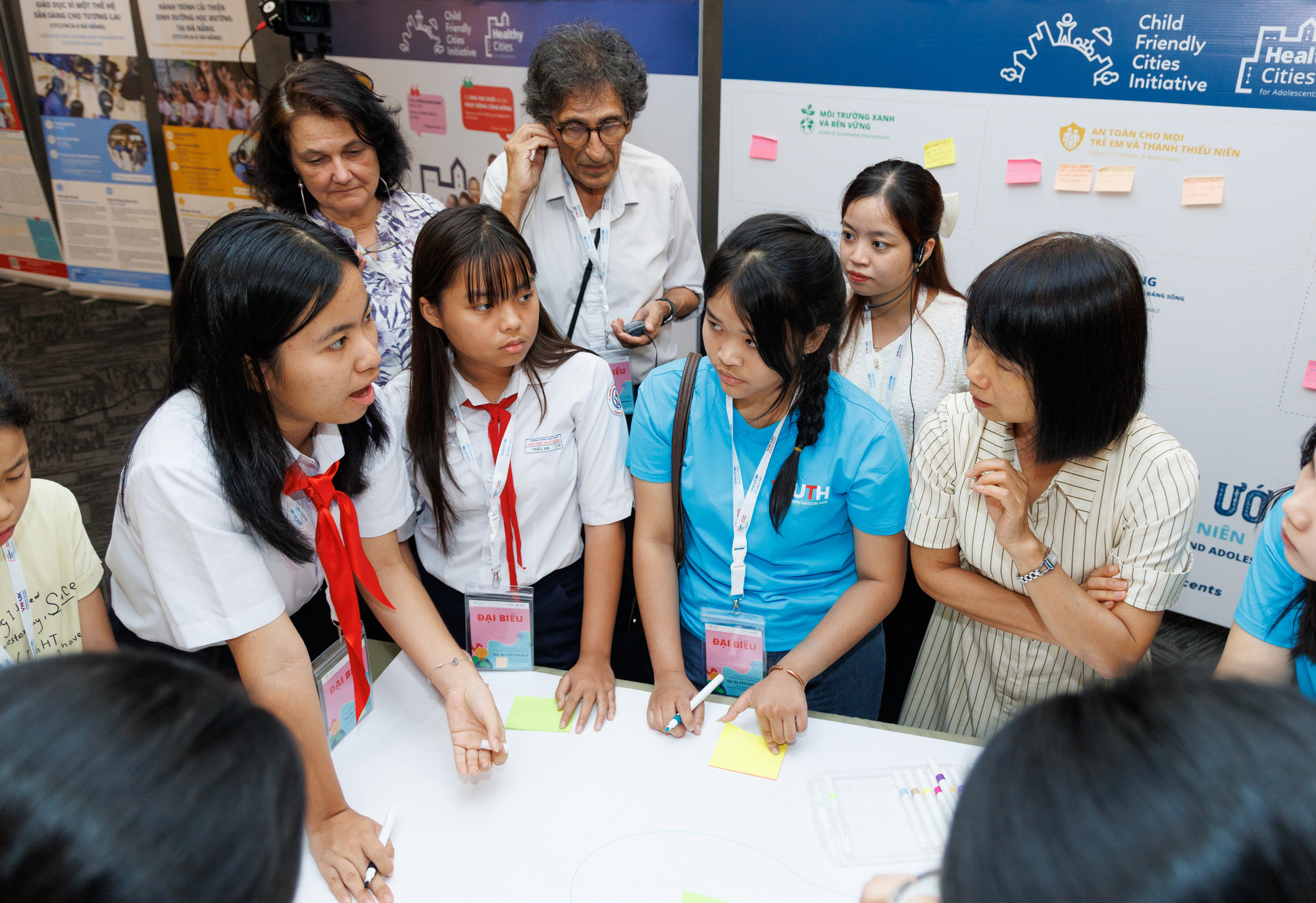
The validation workshop brought together representatives from local authorities, UNICEF, UN-Habitat, Live & Learn, AIP foundation, Fondation Botnar and other partners to review the draft findings, validate the mapping of youth-focused initiatives, identify remaining evidence gaps and provide recommendations before the report is finalised.
“The Situation Analysis provides the first comprehensive evidence base on the realities of adolescents and young people in the newly expanded Da Nang. It also shows that young people are not simply beneficiaries of development programmes – they are active partners and changemakers whose ideas can help shape healthier, greener and more inclusive cities,” said Nguyen Thi Thanh An, Social Policy and Governance Specialist, UNICEF Vietnam.
Beyond validating the findings, the workshop highlighted the value of collaboration across Fondation Botnar-funded initiatives. Bringing together partners working across health, urban development, participation, environmental sustainability and youth leadership helped identify opportunities to strengthen coordination and build a more connected network of support for young people.
The workshop formed part of a broader learning visit by Fondation Botnar representatives, who met with adolescents participating in activities delivered by UNICEF, UN-Habitat and Live & Learn. During the visit, they observed adolescent and youth-led initiatives ranging from sustainable tourism and environmental action to heritage conservation and civic participation, demonstrating how young people are driving positive change in their communities.
“What stood out most during our visit was how adolescents and young people worked alongside their peers, communities and local authorities to develop practical solutions to local challenges. The Situation Analysis confirms that the next phase is not about scaling individual projects in isolation, but about strengthening an ecosystem in which government, young people, civil society and development partners work together to create lasting impact,” said Susanna Hausmann-Muela, Chief Programme Officer, Fondation Botnar.
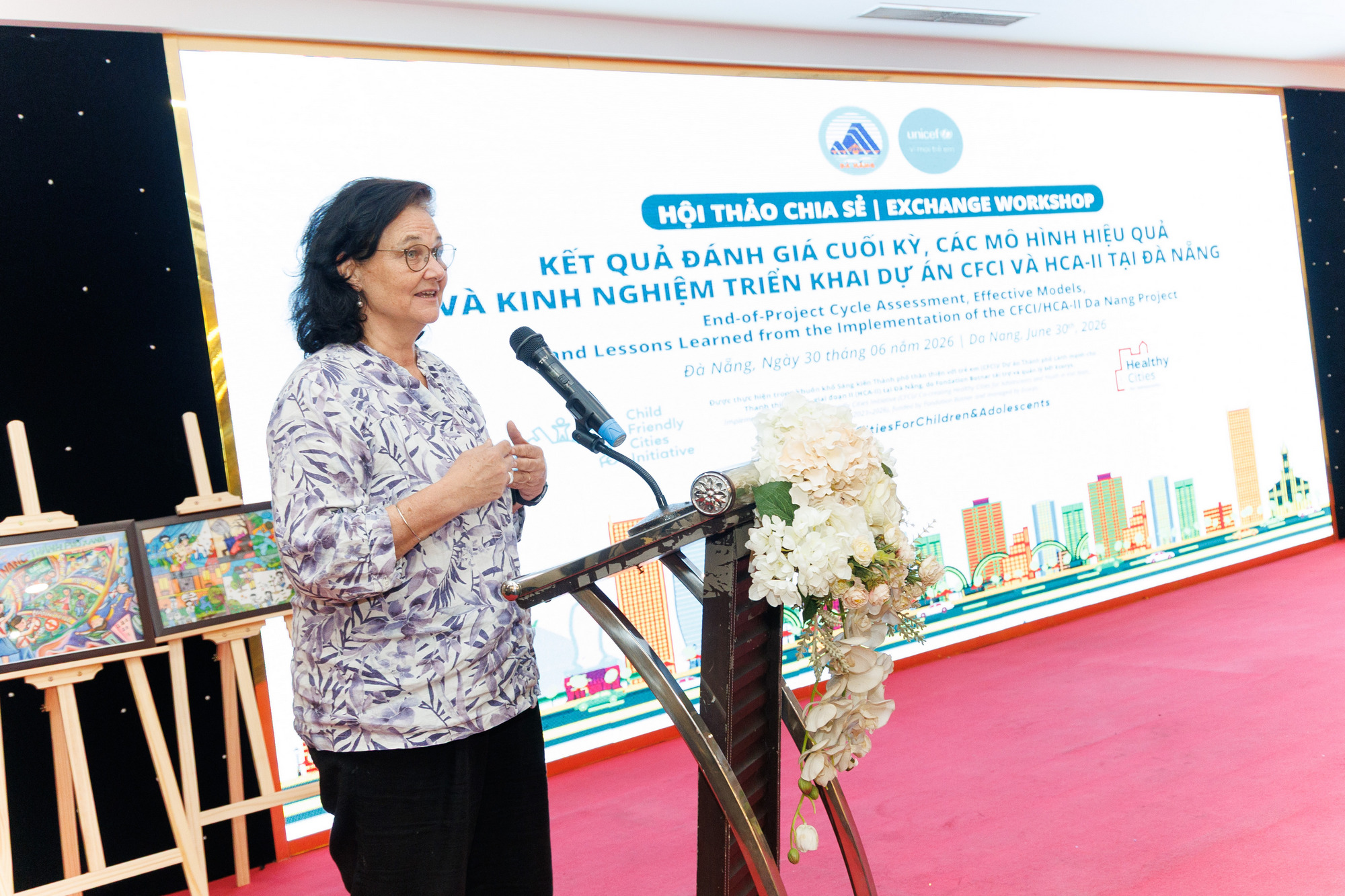
As Vietnam’s population continues to age and the proportion of young people gradually declines, investing in adolescents is becoming increasingly important for the country’s future development. The Situation Analysis is expected to provide an important evidence base for local authorities and partners, helping guide future policies, investments and collaborative action that place adolescents at the centre of urban development.