Storytelling by adolescent fellows
 Case Studies
Topics: Public Spaces & Urban Environments
The Adolescent Fellows in the YKA project have written their first stories on their experience in conducting transect walks of their communities to understand the daily climate linked challenges faced. This story is about waste management.
Bhim Nagar: When Living Around Trash Is Your Only Option
Co-written by – Anvesha, Khushi, Neeva, Namita & Trupti
(A Transect walk experience at Bhimnagar, Indore by the fellows of the Indore Climate League)
Indore maintains a reputation for cleanliness in many districts, though this experience varies significantly across communities. A visit to Bhim Nagar revealed that certain neighborhoods continue facing persistent waste management challenges.
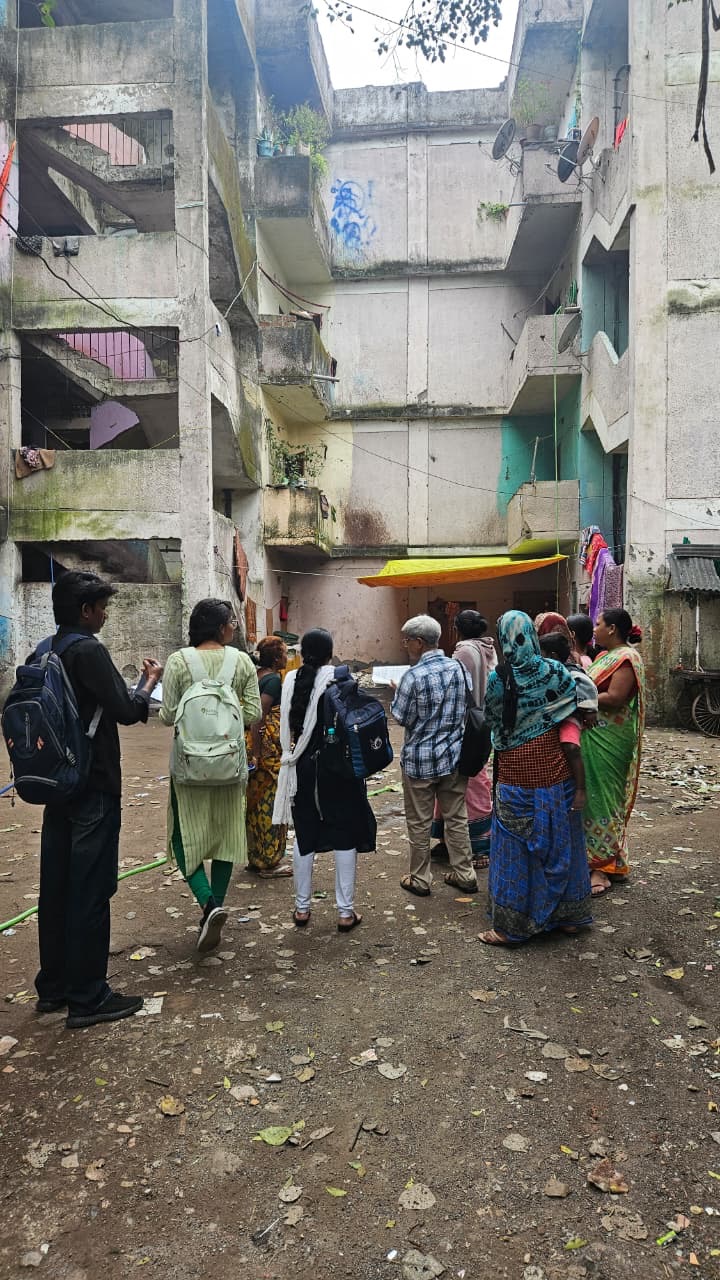
Initial impressions of Bhim Nagar appeared unremarkable – children playing, daily routines continuing, and main roads appearing clean. However, deeper exploration toward Indore Development Authority buildings revealed deteriorating conditions.
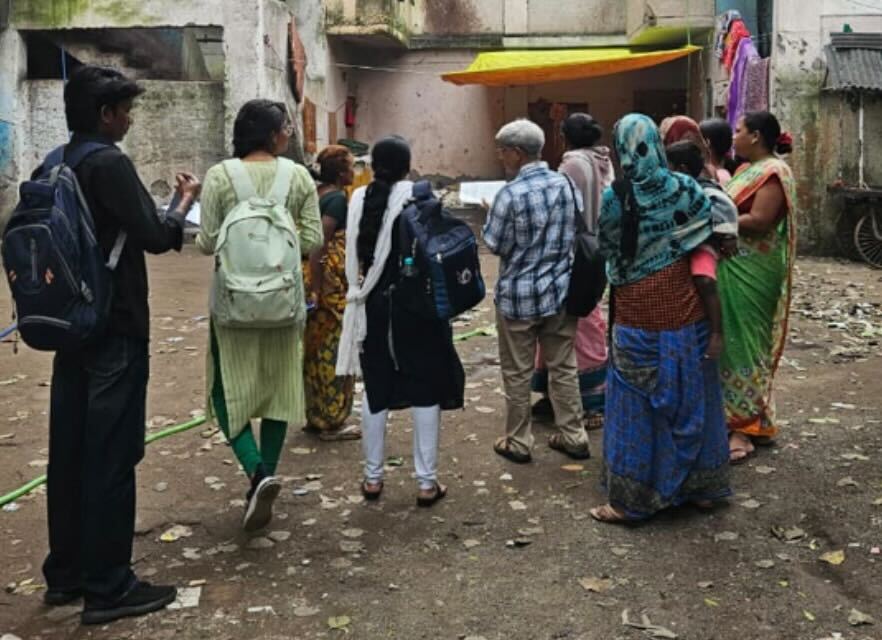
The Scale of the Problem
Approximately 1,300-1,400 residents inhabit Bhim Nagar across 200+ structures. The waste collection system struggles with volume. Households rarely segregate wet and dry waste, and refuse trucks reject mixed garbage. Inside development authority buildings, irregular collection leaves residents with limited alternatives.
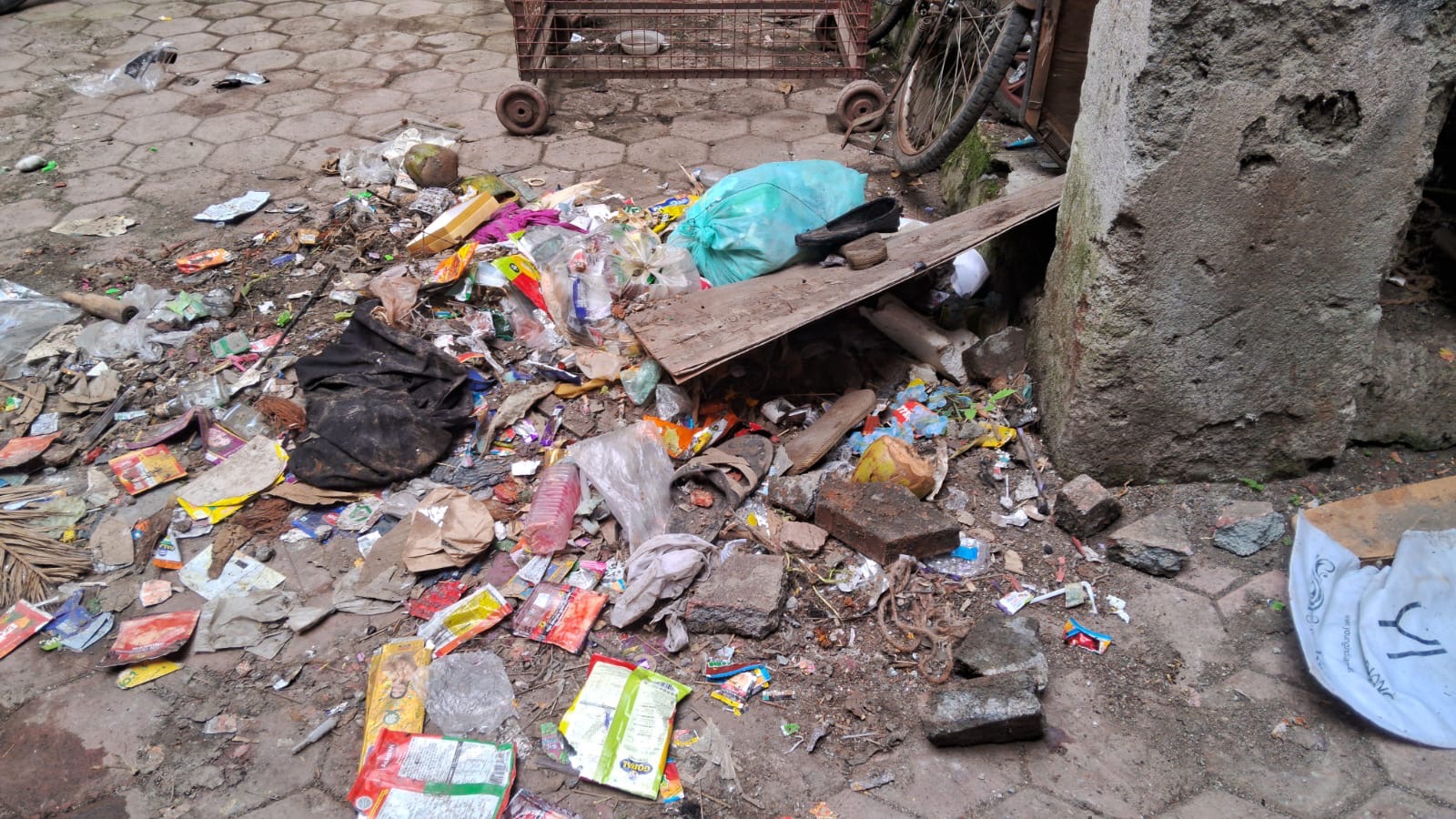
Trash accumulates in corners, beneath trees, beside homes, along inner lanes, and in vacant plots. One community well became a dumping ground for plastic and household refuse, representing long-standing neglect rather than temporary conditions.
Particularly disturbing was observing waste near worship sites – flowers placed carefully while garbage lay adjacent, symbolizing how environmental degradation has affected even revered spaces.
Climate and Health Connections
Open dumping of mixed waste triggers decomposition, releasing methane – a potent greenhouse gas intensifying climate change. Warming temperatures accelerate decomposition rates. Climate-driven irregular rainfall distributes garbage and contaminated water throughout streets and homes, creating hazardous conditions in dense settlements.
Poor waste management and climate change form a reinforcing cycle. Rotting materials and stagnant water breed disease vectors; residents report frequent childhood illness linked to these conditions.
Normalization of Deterioration
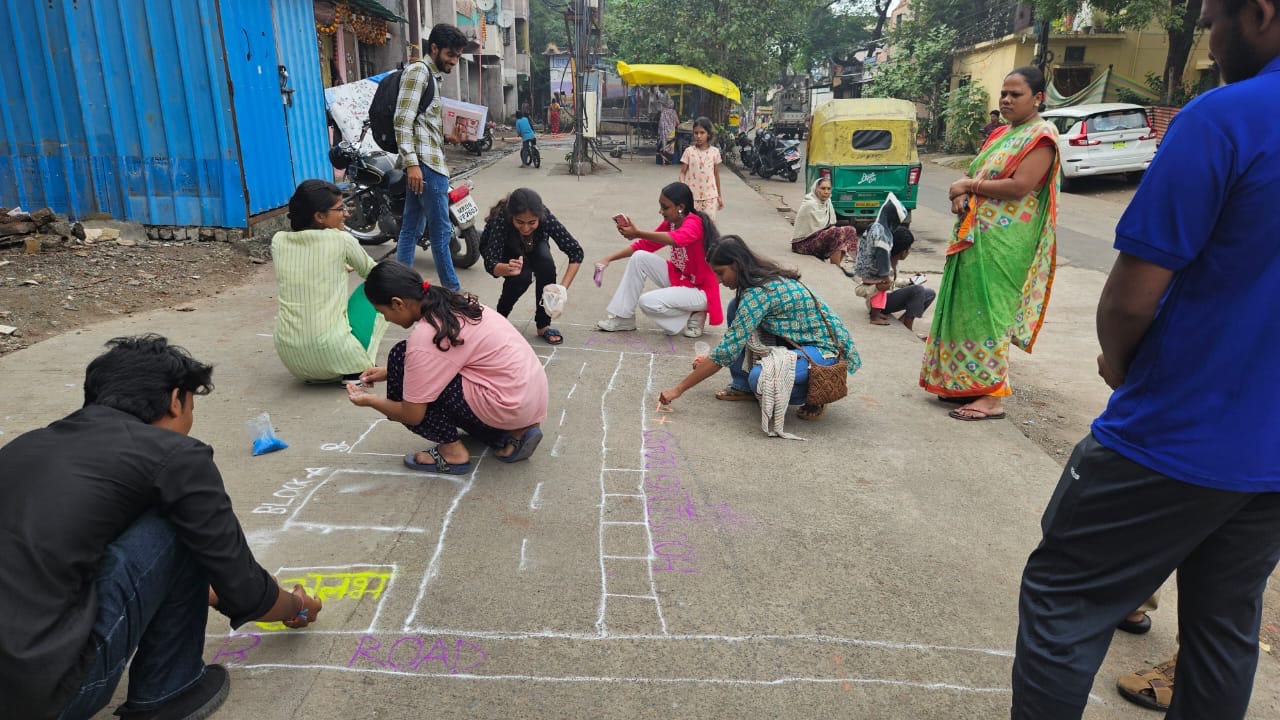
The most striking observation was how ordinary this situation had become. Children played cricket adjacent to garbage heaps, retrieving balls from trash without hesitation. One resident remarked, “We have lived with this for many years that it doesn’t even smell anymore.”
Despite understanding waste segregation principles, young people grow up accepting harmful practices as normal.
Path Forward
Clean environments represent basic necessities – not privileges – for health, dignity, and climate resilience. Small interventions matter: waste segregation education, health risk awareness, and understanding collection systems can catalyze gradual change.
The Indore Climate League has begun consulting municipal departments and plans complaint registrations through the 311 app, alongside social media campaigns, street theater, community meetings, and impact surveys.
Source: Youth Ki Awaaz