In Colombian cities, young people are transforming unsafe urban environments into vibrant spaces of connection and pride. Through Vivo Mi Calle – part of the Healthy Cities for Adolescents (HCA) initiative – adolescents are showing that when cities trust youth with public space, they reshape not only places of belonging, but also the social fabric of their neighborhoods.
In Colombia, over 80% of people live in cities – including most adolescents – yet many feel their environments don’t reflect their needs. Public spaces, especially in low-income areas, often symbolise exclusion or danger rather than opportunity. The Vivo Mi Calle (My Street Life) project was created to change that – starting from the ground up.
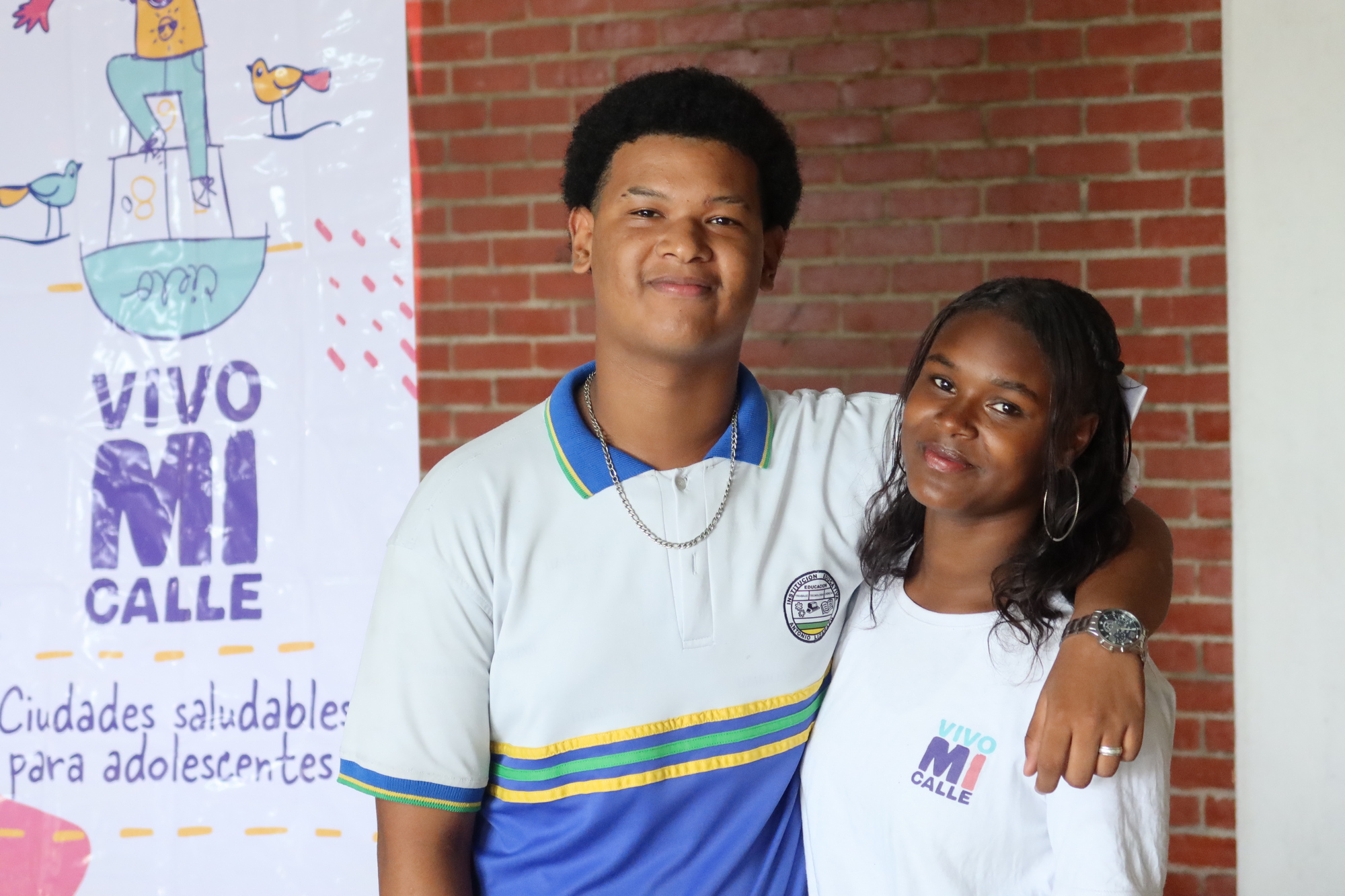
Led by Fundación Despacio with support from the HCA programme of the Fondation Botnar, the project works with municipalities, schools, and youth to co-design safer, healthier, and more inclusive urban environments. By helping young people become planners, evaluators, and advocates, it turns their everyday spaces into laboratories of civic participation.
A line erased in Palmira
In Palmira’s Caimitos neighborhood, an invisible line once divided the community – a silent border drawn by fear. “Everyone knew who could cross it,” recalls Lorena, a ninth-grade student. “It separated us, even though we lived side by side.”
When Vivo Mi Calle introduced its leadership programme at Antonio Lizarazo School, Lorena joined out of curiosity. What she found was a platform to act. Together with her classmates, she decided to reclaim the Caimitos Sports Complex – a place once abandoned to crime – by painting, cleaning, and organising community events.
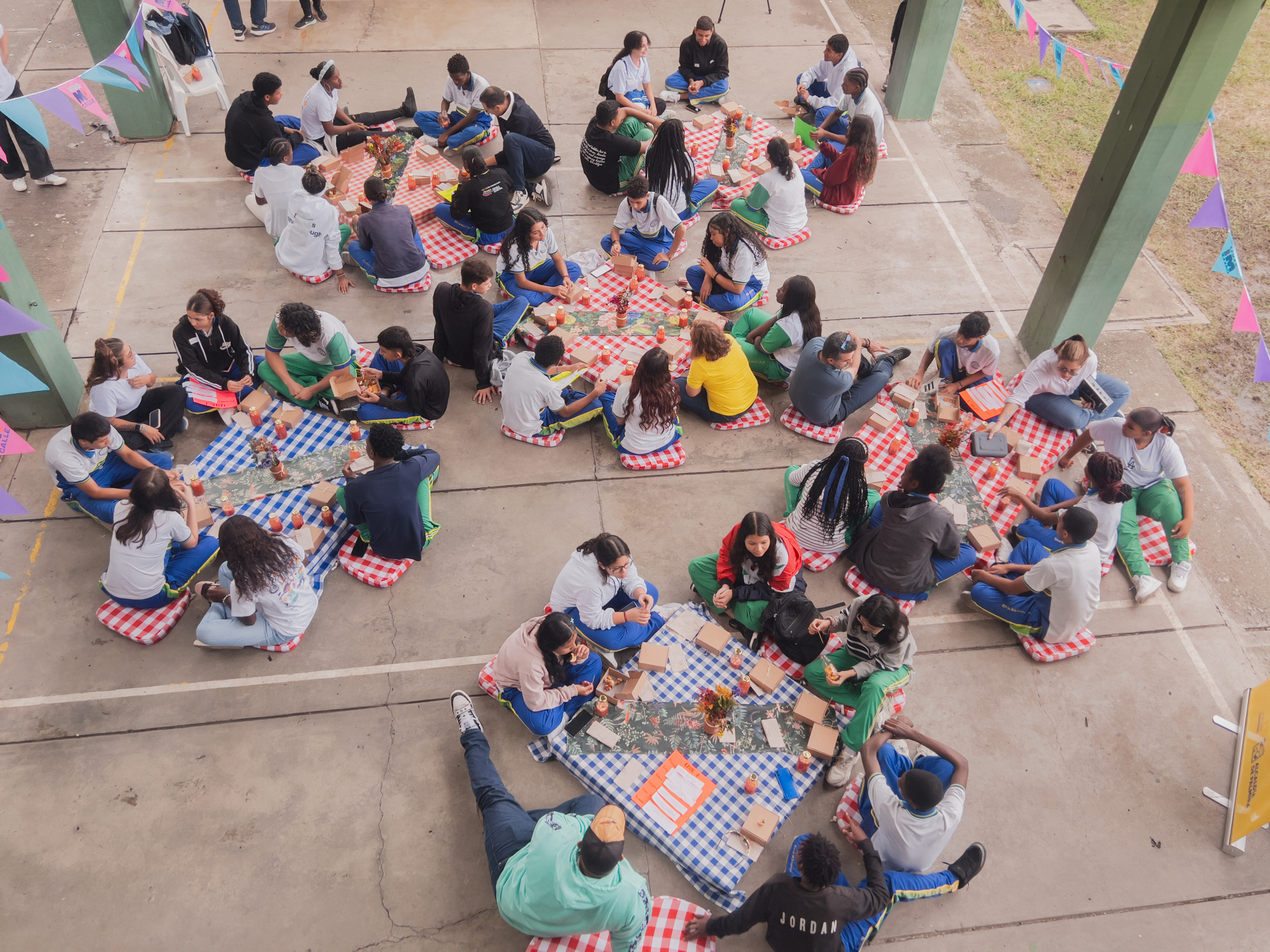
“Before, I didn’t even dare to speak in class,” Lorena said. “Now I can lead activities in the park, and people listen to me.”
The sports complex soon became a shared space for families and neighbours. Music and laughter replaced tension. The invisible line vanished. For Lorena, it wasn’t just about sports – it was about visibility. “The park became a symbol of what we can do when we act together,” she said.
Guardians of the park
In Cali’s Potrero Grande, another transformation was underway. “Before, the park was ugly, dirty, dark – there were always fights,” said one of the children. “Our mothers told us, ‘Don’t go there, it’s dangerous.’”
Then came Vivo Mi Calle. With support from teachers and local partners, children painted murals, hosted movie nights, and organised football tournaments. One day, a mentor named Carlos asked if they could help care for the park. They said yes – and called themselves The Guardians of the Park.
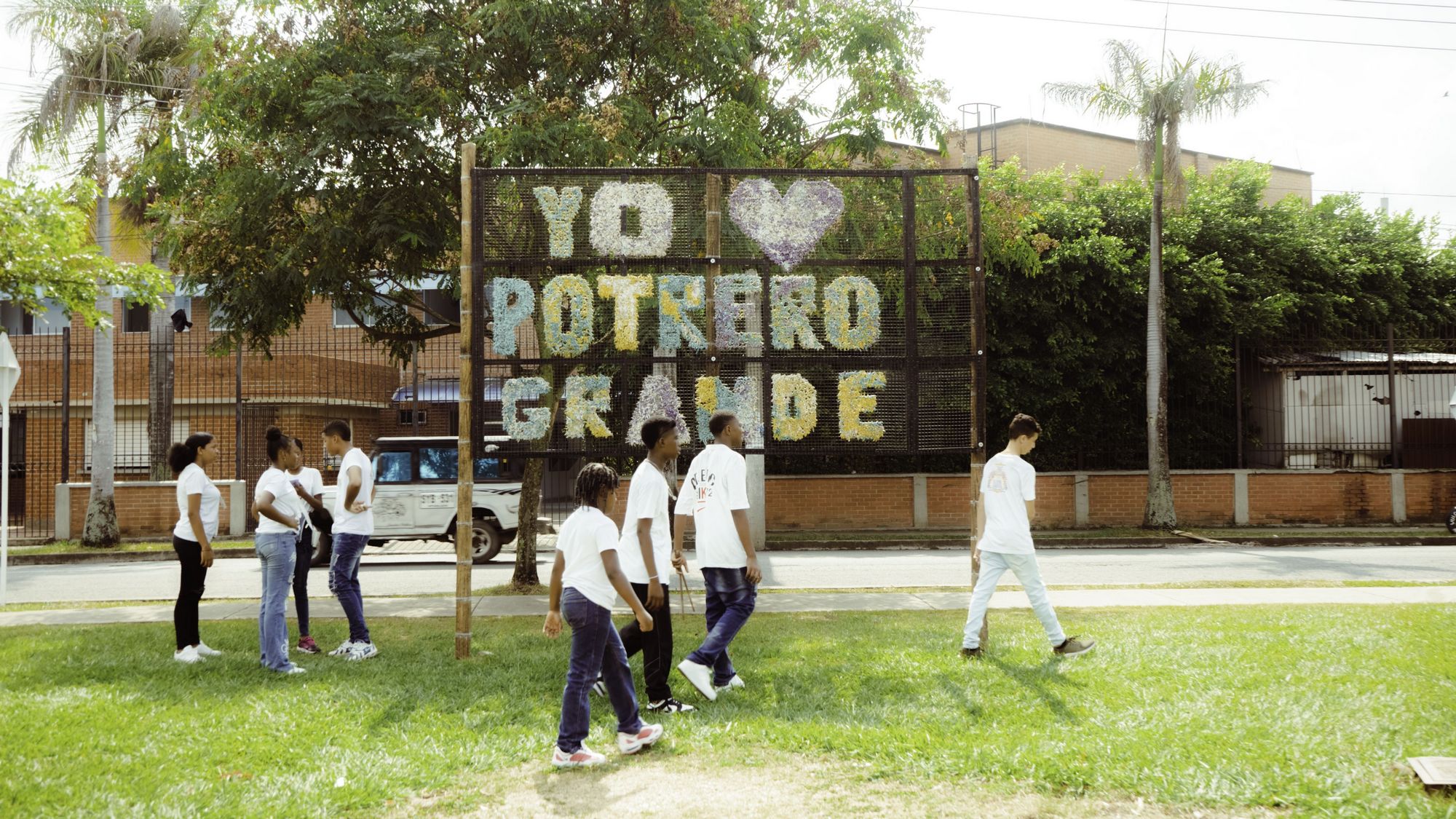
“Now we tell people, ‘Don’t throw rubbish here!’” laughed one of the guardians. “Sometimes we shout, ‘This is our park!’”
For the children, the park became a playground and a promise: that they could be trusted to protect something that belonged to everyone.
Belonging as transformation
In both cities, these stories reflect a deeper truth: belonging is a form of urban resilience. The same spaces that once carried fear are now places where young people feel seen and safe.
“The most valuable part was seeing the adolescents as change-makers, asking critical questions about governance and city issues, and even transferring what they learned to other youth foundations,” Palmira’s Municipal official noted in May 2025.
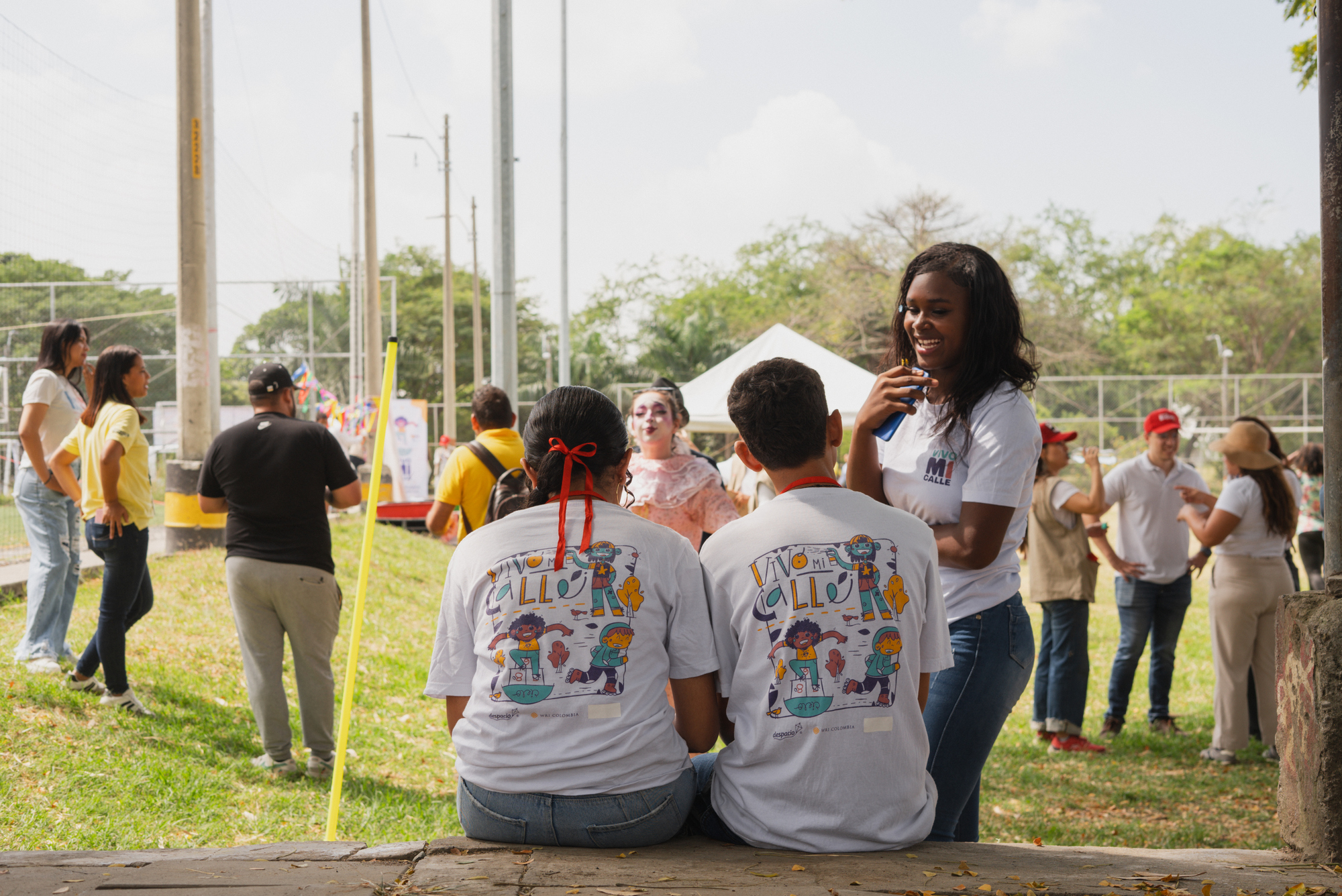
The changes go beyond aesthetics. They are social, psychological, and civic. Adolescents who once avoided these spaces now organise activities there, act as peer mediators, and engage with local councils. Families gather, and neighbours begin to reconnect.
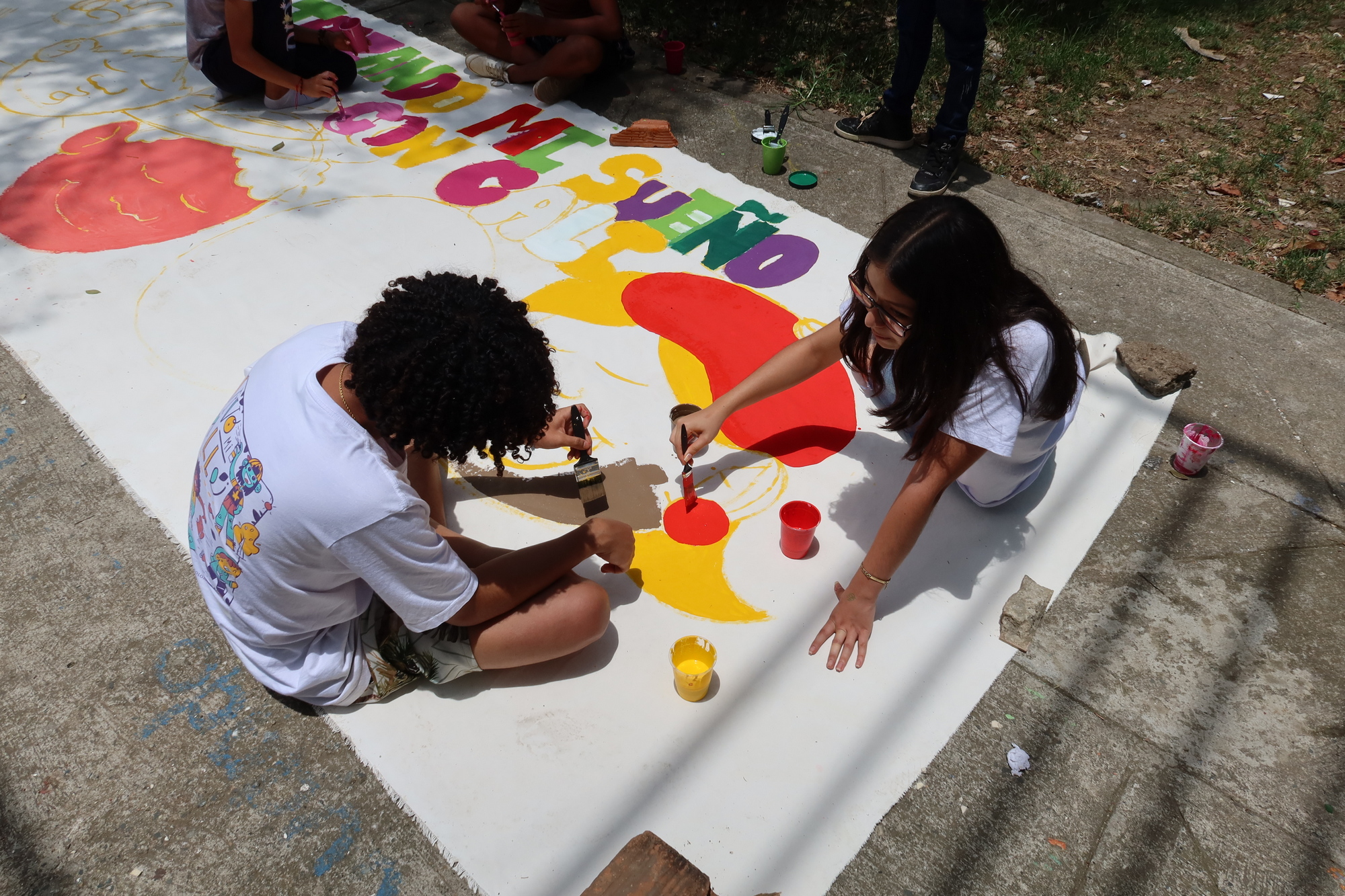
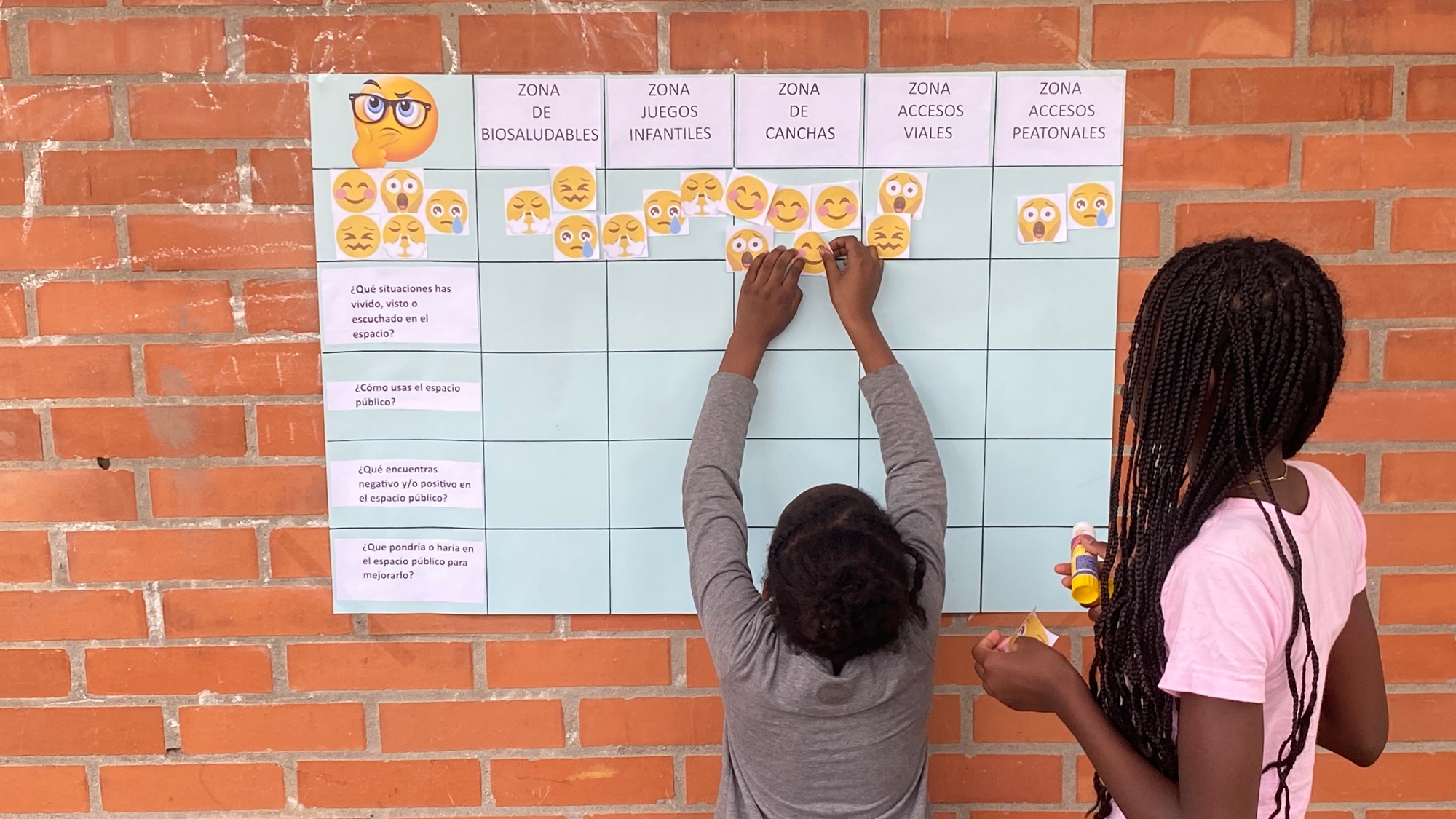
Across Palmira and Cali, over 450 adolescents have participated in Vivo Mi Calle activities, reshaping parks, schools, and local governance in ways that promote wellbeing, safety, and inclusion.
A wider movement
Vivo Mi Calle is part of a global effort by the Healthy Cities for Adolescents programme to strengthen youth participation in urban development across Africa, Asia, and Latin America. From Colombia to Senegal to India, young people are showing that urban transformation begins with trust – and with the courage to imagine cities differently.
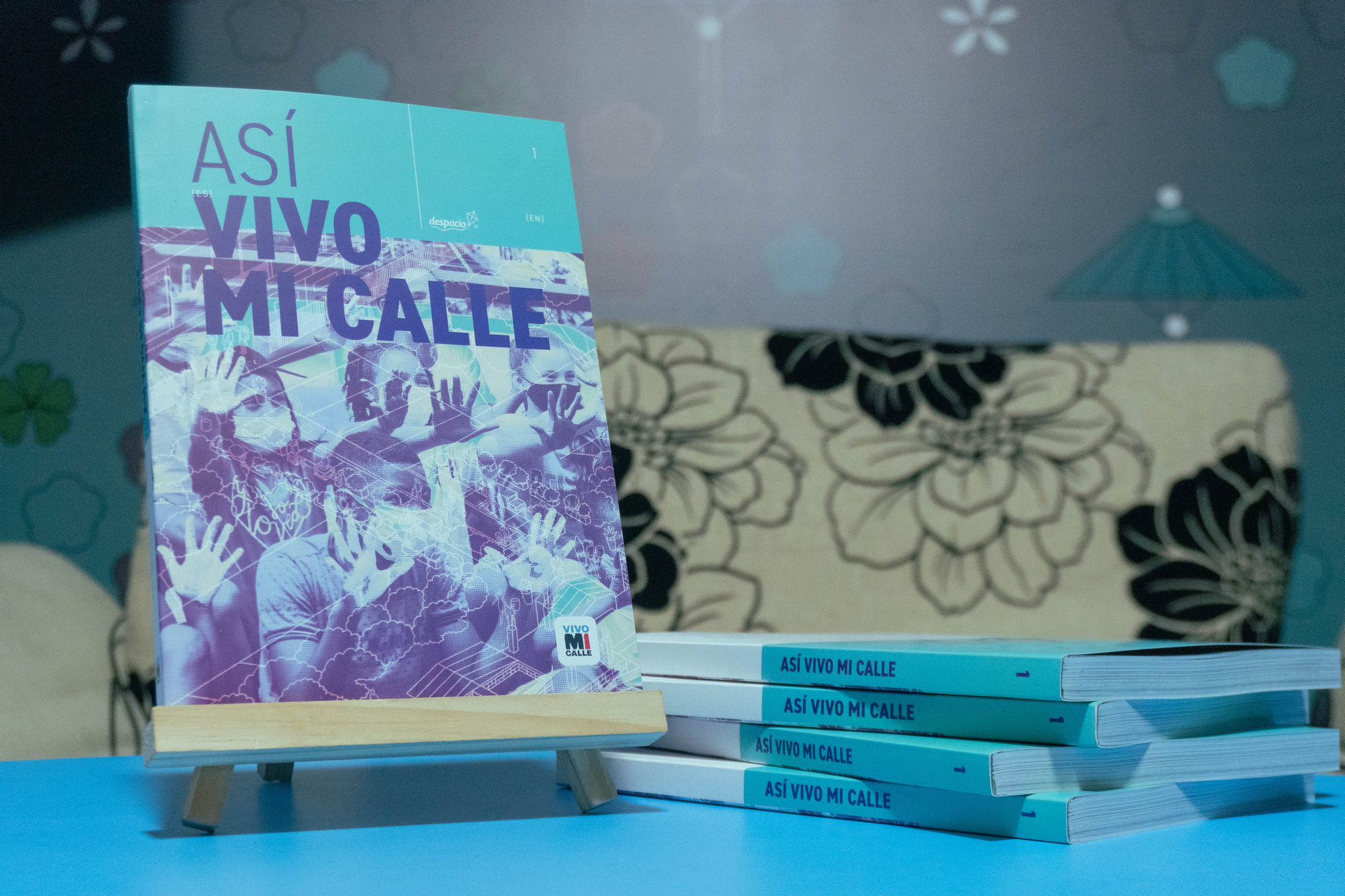
“Our spaces have the power to create new experiences and emotions,” Lorena reflected. “If we fill them with care and meaning, they become places of growth, connection, and wellbeing.”
When cities give young people a voice and a space, they don’t just create safer public spaces. They build a generation that belongs.