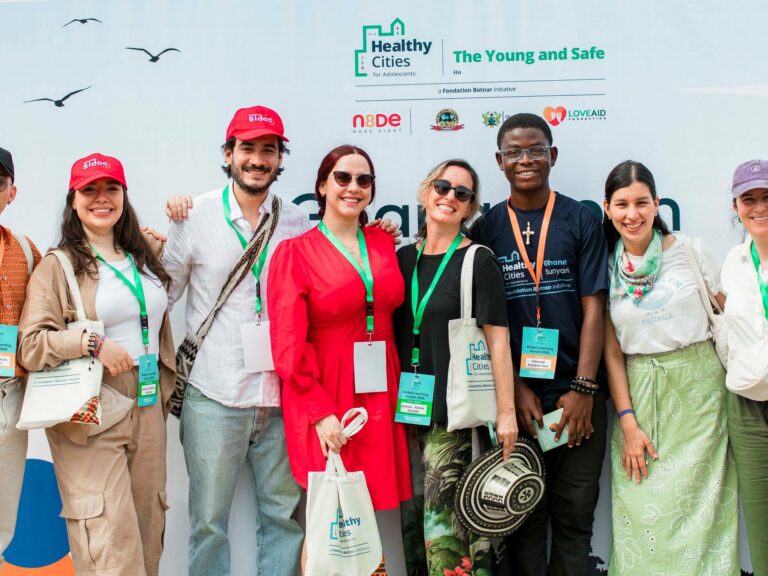
The Healthy Cities for Adolescents (HCA) Team from Ecorys UK co-hosted a networking event at WUF13 in Baku in partnership with Fondation Botnar. The HCA team included Joyati Das, Global Lead, Partnerships and Advocacy; Nadia Atala, Lab XXI, Alza Tu Voz project, Ecuador; and Edward Ayabilah, GLOMEF, Resilient Cities for Adolescents project, Ghana. This was an excellent opportunity to showcase core focus areas of HCA at a record-breaking WUF, with over 58,000 participants from 176 countries.
Joyati Das, the lead facilitator, welcomed everyone to the networking event, titled “Youth perspectives on urban liveability – an intergenerational dialogue on intermediary cities”.
The event brought panellists from across the world representing civil society, multilateral agencies, philanthropy, grassroots youth leaders, mayors and policy makers.
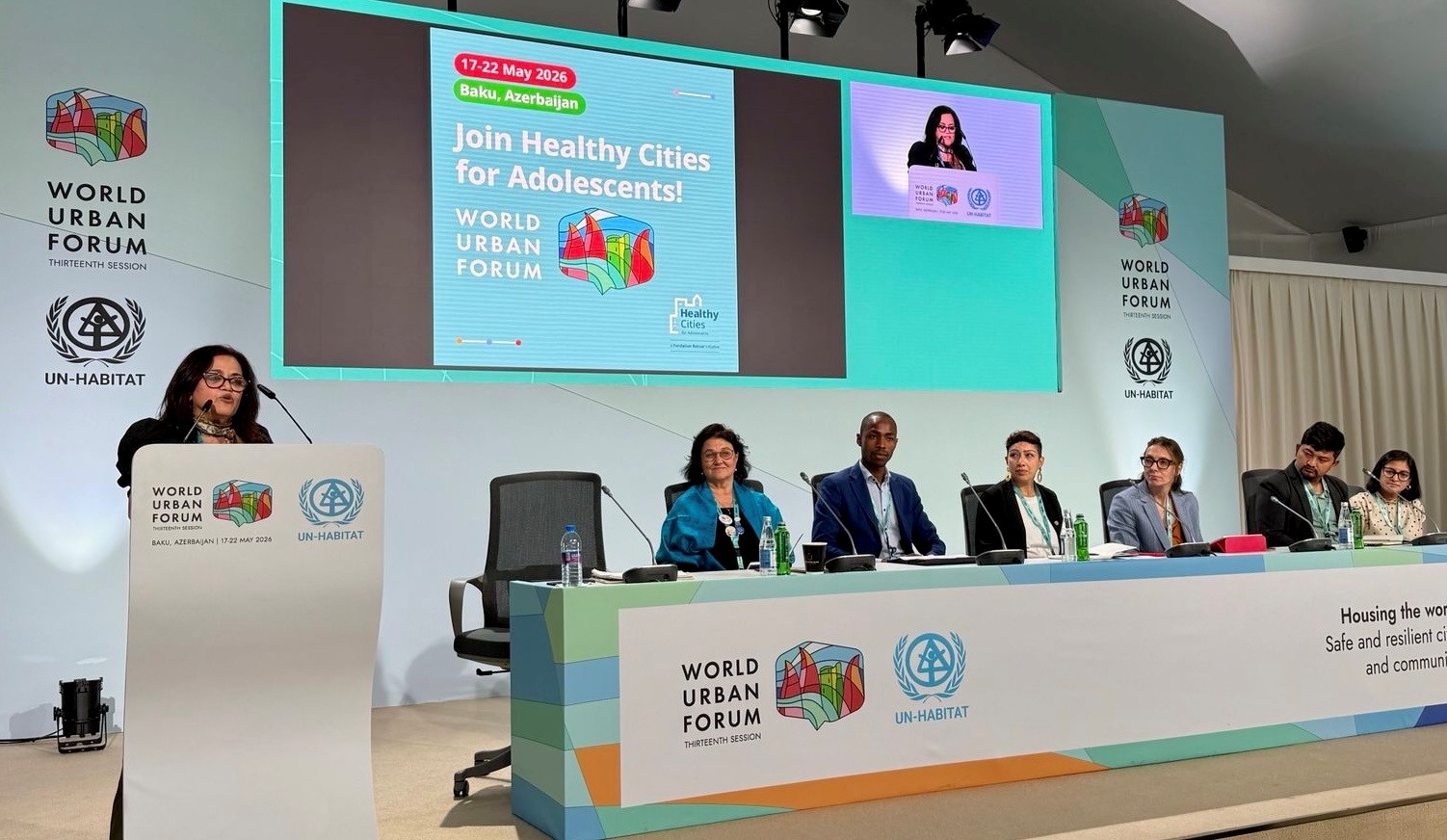
The session was designed as a dialogue to promote interaction between panellists and participants resulting in solution driven discussions and intergeneration knowledge transfer between youth, practitioners, policy makers, civil society and local officials.
Overall, the session comprised 15 speakers including panellists and embedded speakers from the floor. We thank our panellists Susanna Hausmann (Fondation Botnar), Aline Rahbany (World Vision International), Nathalie Röbbel (WHO), Jonathon Some (UN-Habitat Youth Advisory Board), and Shantiram Rai (President of the Youth Network, Dharan, Nepal).
Special thanks to all embedded speakers including national youth leaders and project level representatives: Nadia Atala, Edward Ayabilah, SM Shaikat (SERAC, Bangladesh), the Mayor of Bargny (Senegal), Ashwin Ahir and Aishwarya Gupta (TYP Cities, Bhuj, India) and Imtiaz (Save the Children, Bangladesh). We are also grateful to Stephanie Butcher, Christelle Lahoud and Eva Moldovanyi for their support in making this event a success.
The key takeaways from the session were:
- From small interventions, big initiatives grow. Invest in local action and bring evidence-based models to inform local, national and global policies to ensure ‘no one is left behind’, especially young people.
- Liveability is more than developing and upgrading physical infrastructure. Investments in social infrastructure including strengthening diverse relationships, creating shared platforms for intergenerational exchange, and bringing visibility to local actions is critical for enhancing liveability.
- Multi-sectoral partnerships need time to form and formalise for collective action. Time is needed for agencies to collaborate and develop a common language for urban liveability that works for all stakeholders, especially young people, so they can be heard and included in shaping their respective cities.
- Intermediary cities present key opportunities to plan for sustainable urban development and avoid inequities and social exclusion.
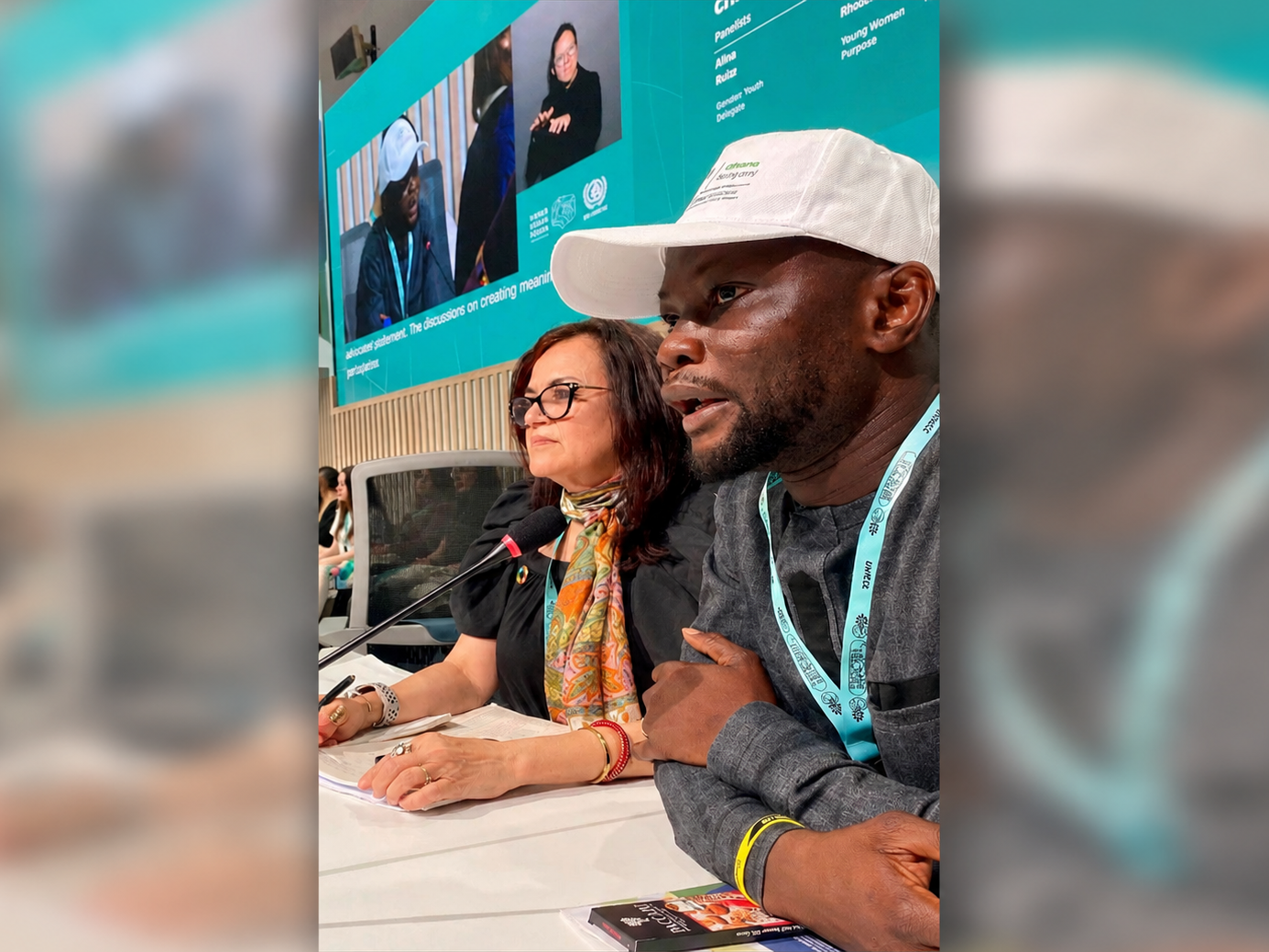
The HCA team also attended the Children and Youth Roundtable, where Project Lead Edward Ayabilah shared the Resilient Cities for Adolescents Ghana Adolescent Parliament model, calling for the institutionalisation of young people’s participation in urban and national governance. Thank you Shamoy Hajare and UN-Habitat for this opportunity!
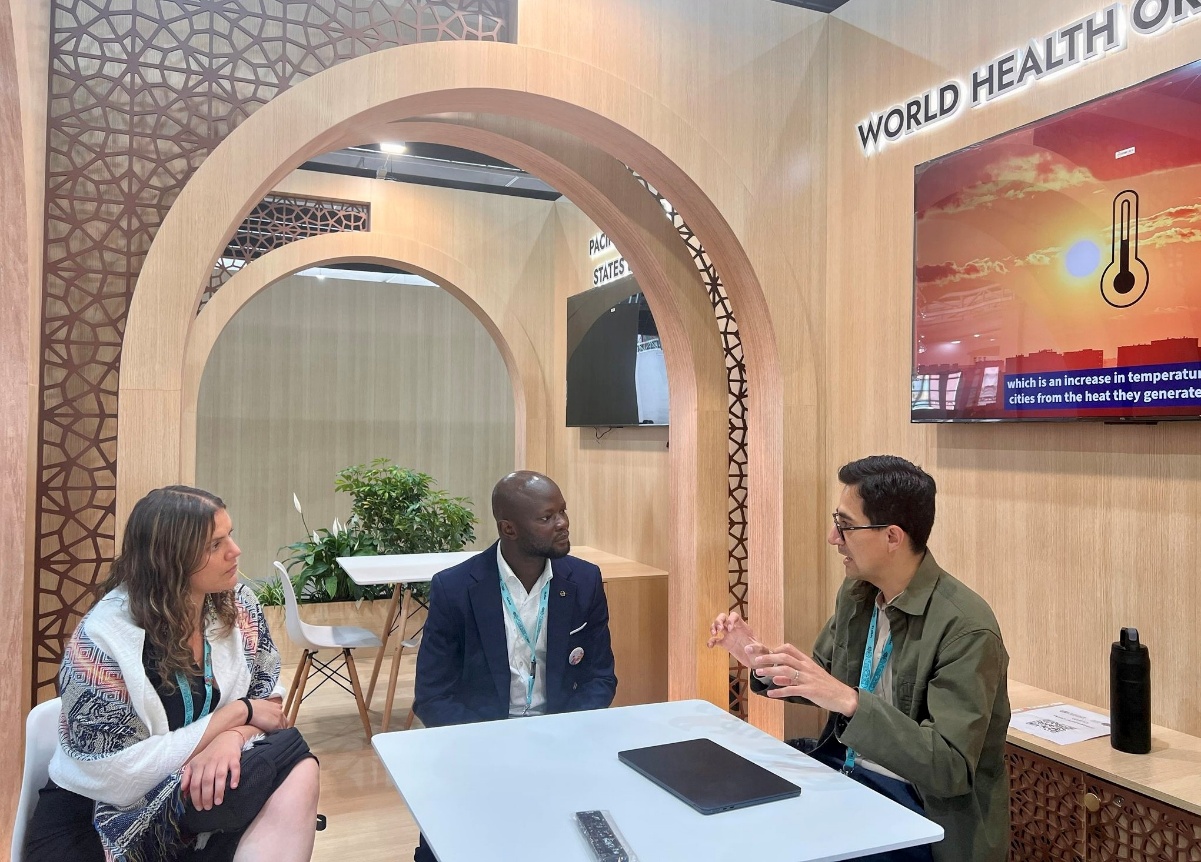
WUF 13 provided an opportunity for the HCA team to finalise its collaboration with WHO in partnership with Fondation Botnar. The team was able to hold several meetings to agree on testing WHO tools and frameworks in HCA projects in Ghana and Ecuador.
HCA projects were also exhibited at the Youth Pavillion, highlighting best practices of adolescents’ participation strategies.
Joyati Das, Global Lead, Partnerships and Advocacy: “The World Urban Forum is a signature UN conference coordinated by UN Habitat every 2 years to bring together the community of urban practitioners, planners, policy makers and grassroots agencies to connect and share knowledge to progress SDG 11 “Making Cities safe and sustainable for all. During this WUF 13 hosted in Baku, I was delighted to co-lead the HCA networking event. We called for promoting intergenerational dialogue for knowledge transfer enhancing urban liveability for all. The event was celebrated for promoting conversations and deliberations between panellists and youth as embedded speakers from the floor. It was a pleasure to see thousands of children, adolescents and youth participating in the forum promoting intercultural connections, forming local to global networks, and building a sense of community striving for urban liveability.”
Edward Ayabilah, Resilient Cities for Adolescents project, Ghana: “Representing the RCA Project at WUF13 was a reminder that local innovations can contribute to global change. Through my participation in the Children and Youth Roundtable and the HCA-II networking session, I shared lessons from Sunyani’s Adolescent Parliament and learned from global experiences on youth participation, urban governance, and healthy city development. A key takeaway from WUF13 was the growing recognition that intermediary cities will shape the future of urbanization, and that greater investment is needed in healthy, inclusive, and adolescent-responsive city systems. These conversations strongly reinforced the vision of the Global Healthy City Program and the RCA Project and the urgent need to accelerate healthy cities programming in Ghana and across Africa.”
Nadia Atala, Alza Tu Voz project, Ecuador: “Participating in WUF 13 was a deeply enriching experience. It allowed us to learn from initiatives around the world that are working to make urban spaces more liveable, while also sharing our own stories of change. For us, one lesson is clear: in the same way that we can’t talk about housing without talking about the homes and relationships that exist within them, we can’t talk about cities without centring the people who inhabit them. Liveability is not only about infrastructure. It is also about safety, belonging, care, and social connection. In our experience, strengthening the social fabric and creating intergenerational networks among families, adolescents, teachers, and local leaders has proven to be a powerful strategy to improve wellbeing and build safer, more connected communities. At the heart of more liveable cities is the power of community.”
Susanna Hausmann, Cities Portfolio Lead, Fondation Botnar: “Young people must be recognised not as temporary participants in urban development, but as trusted and legitimate urban actors. Moving beyond project-based engagement and short funding cycles requires long-term investment in partnership-building, the time to develop meaningful relationships, and pathways to municipal recognition and beyond. Philanthropy has a critical role to play by treating youth not merely as beneficiaries, but as partners in shaping the future of cities.”