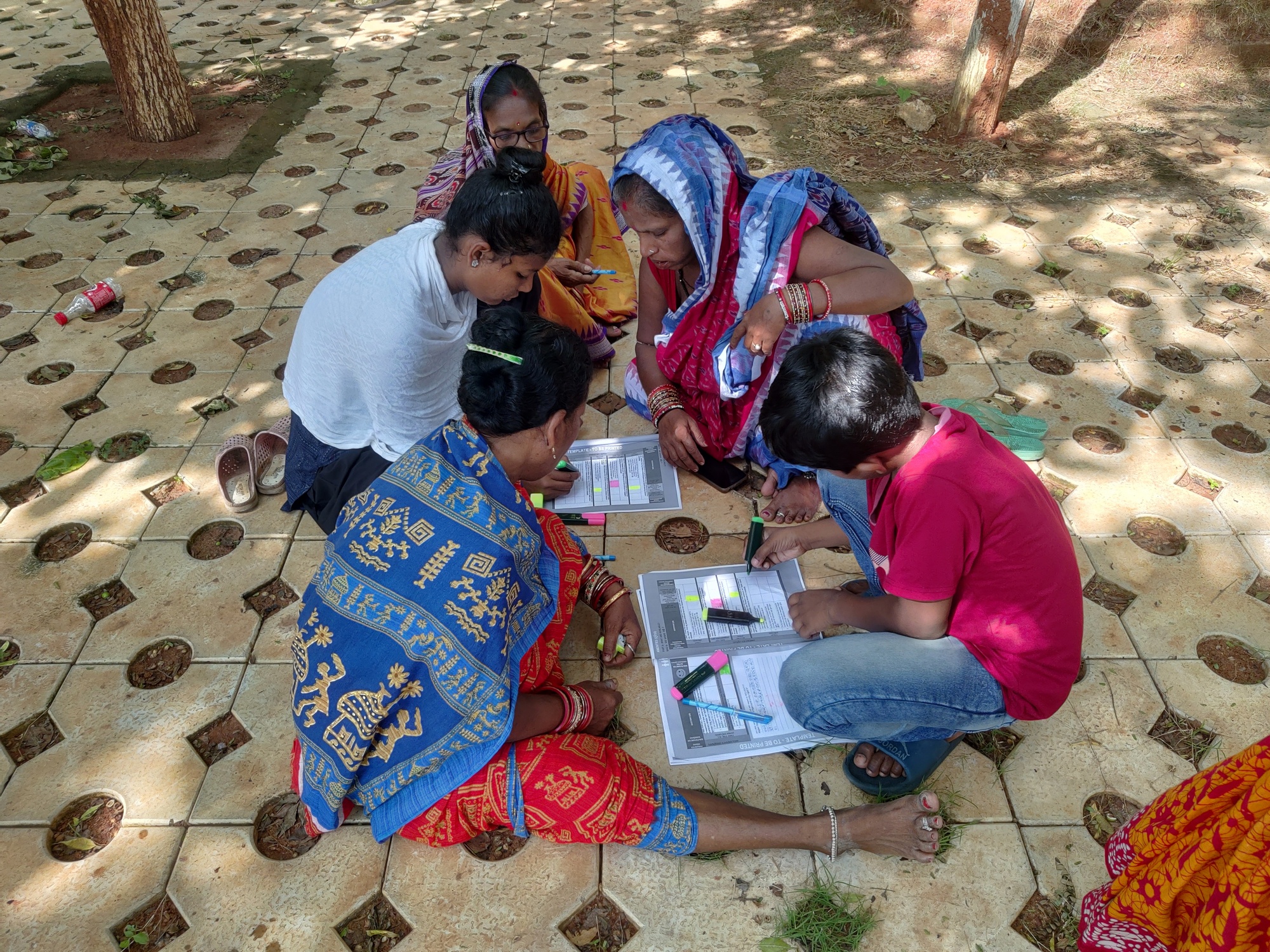
On a busy street in Bhubaneswar, a group of adolescents stood alongside city officials, assessing a public space many of them passed every day – but had never been asked to evaluate.
There was no shaded seating. Water and sanitation facilities were inadequate. The space was technically “public” yet not designed for the people who used it most.
This time, however, the conversation was different.
Adolescents were not there to observe. They were there to assess – and to be heard.
Across Jaipur and Bhubaneswar, this shift is unfolding across six public spaces as part of an approach supported by the Healthy Cities for Adolescents (HCA) programme and implemented by its Safe Vibrant and Healthy Public Spaces project.
What began as a simple question – how do adolescents actually experience public space – has evolved into something more structural: a new way for cities to gather evidence, test solutions and make decisions.
A framework that moves beyond consultation
The Public Spaces Assessment Framework (PSAF) was developed with adolescents, not just for them.
Through workshops and co-creation sessions, adolescents worked alongside city officials and practitioners to define what makes a space safe, accessible and inclusive. The result is a structured tool that combines technical criteria – such as access, usability and safety – with perception-based insights gathered directly from adolescents.
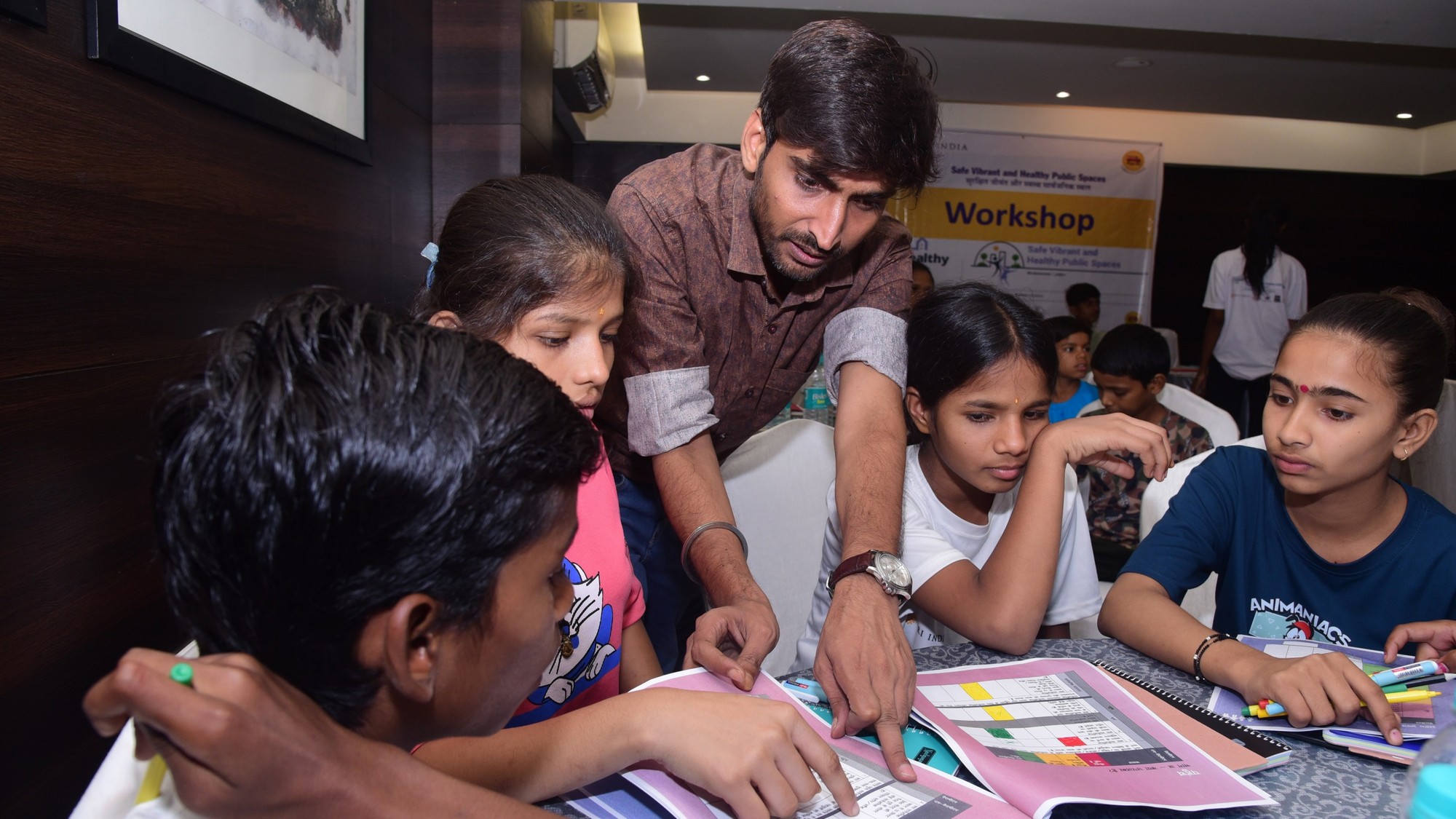
But the PSAF is not used as a one-off assessment. Adolescents apply it to audit public spaces, use the findings to co-design improvements, and then reassess the same sites after interventions to understand what has changed.
As one adolescent (17, Bhubaneswar) explained: “I audited Madhusudan Marg, a busy street in Bhubaneswar, and realised there was no comfortable seating, and basic facilities like water and washrooms were not adequate. I wanted to bring this to the attention of local officials.”
In 2025, the approach was tested through six tactical urbanism pilots – three in each city. Tactical urbanism refers to low-cost, temporary interventions used to test how changes in public space design affect behaviour and use before making permanent investments.
Across the six sites – covering more than 11,000 square metres – adolescents worked with local authorities to analyse spaces, design improvements and observe how those changes affected accessibility and use.
From pilots to proof
The interventions were deliberately temporary: shaded seating, reconfigured layouts, improved usability and safer, more welcoming environments. But their purpose was not.
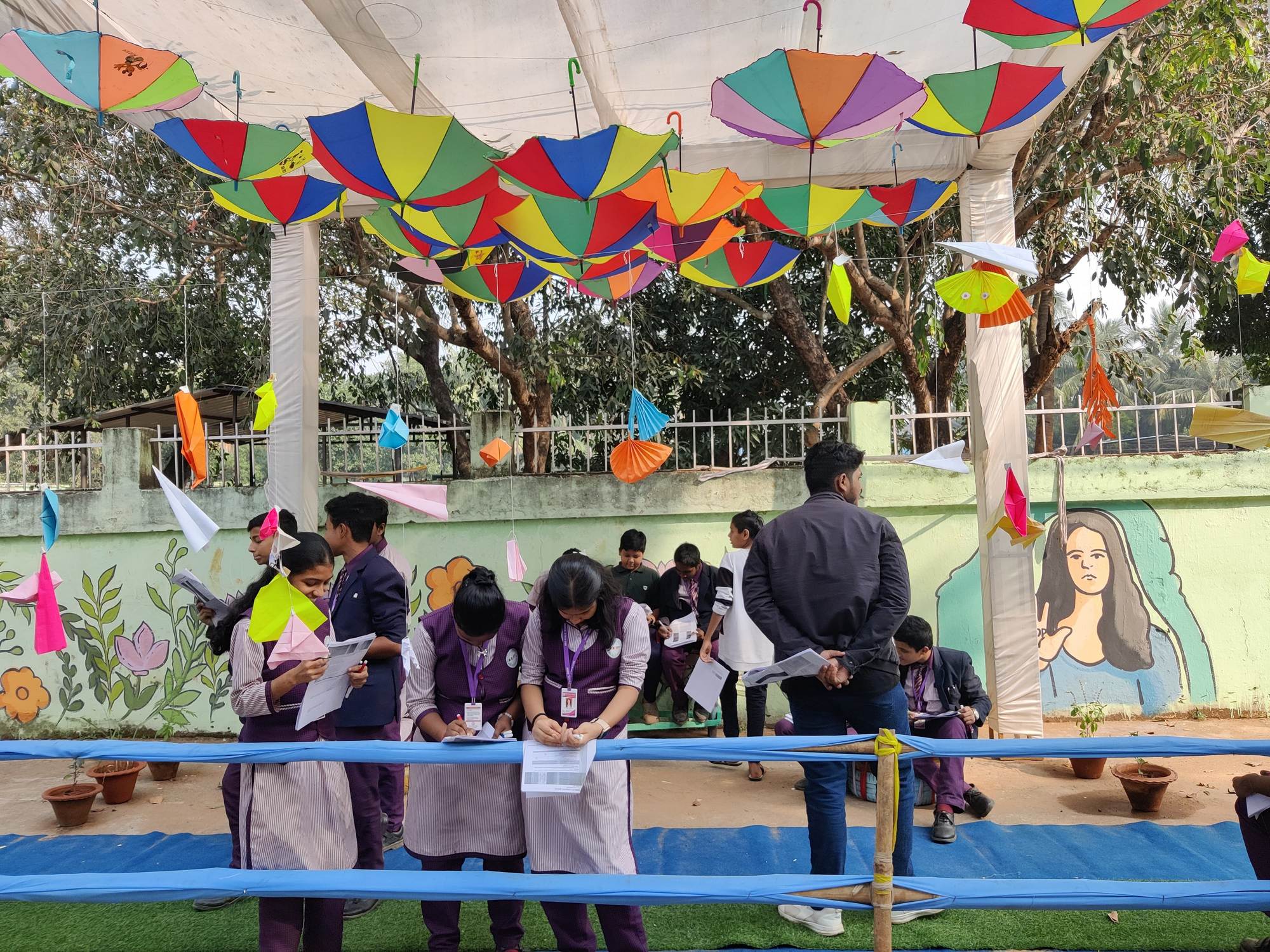
A total of 1,378 adolescent Public Space Ambassadors were trained to use the PSAF and contribute to the process. Over the course of more than 20 days of activation, the six sites recorded over 3,450 adolescent users and 2,200 other visitors – providing real-time insights into how people interacted with the redesigned spaces.
Before-and-after assessments and perception surveys showed clear shifts in how spaces were used and experienced. In some locations, spaces that were previously underused began attracting adolescents throughout the day, including in the evenings. In others, new forms of use emerged – from informal gatherings to community-led activities.
Crucially, in two of the six pilot sites, temporary installations have already been converted into permanent improvements – a rare outcome in tactical urbanism, where pilots often remain experimental.
A shift in roles – for adolescents and cities
For the adolescents involved, the experience has reshaped how they see their role in the city.
They have developed skills in negotiation, teamwork and problem-solving, while also learning to consider the needs of others – including those shaped by gender, disability and social context. More importantly, they are beginning to be recognised as contributors to decision-making processes in their communities.
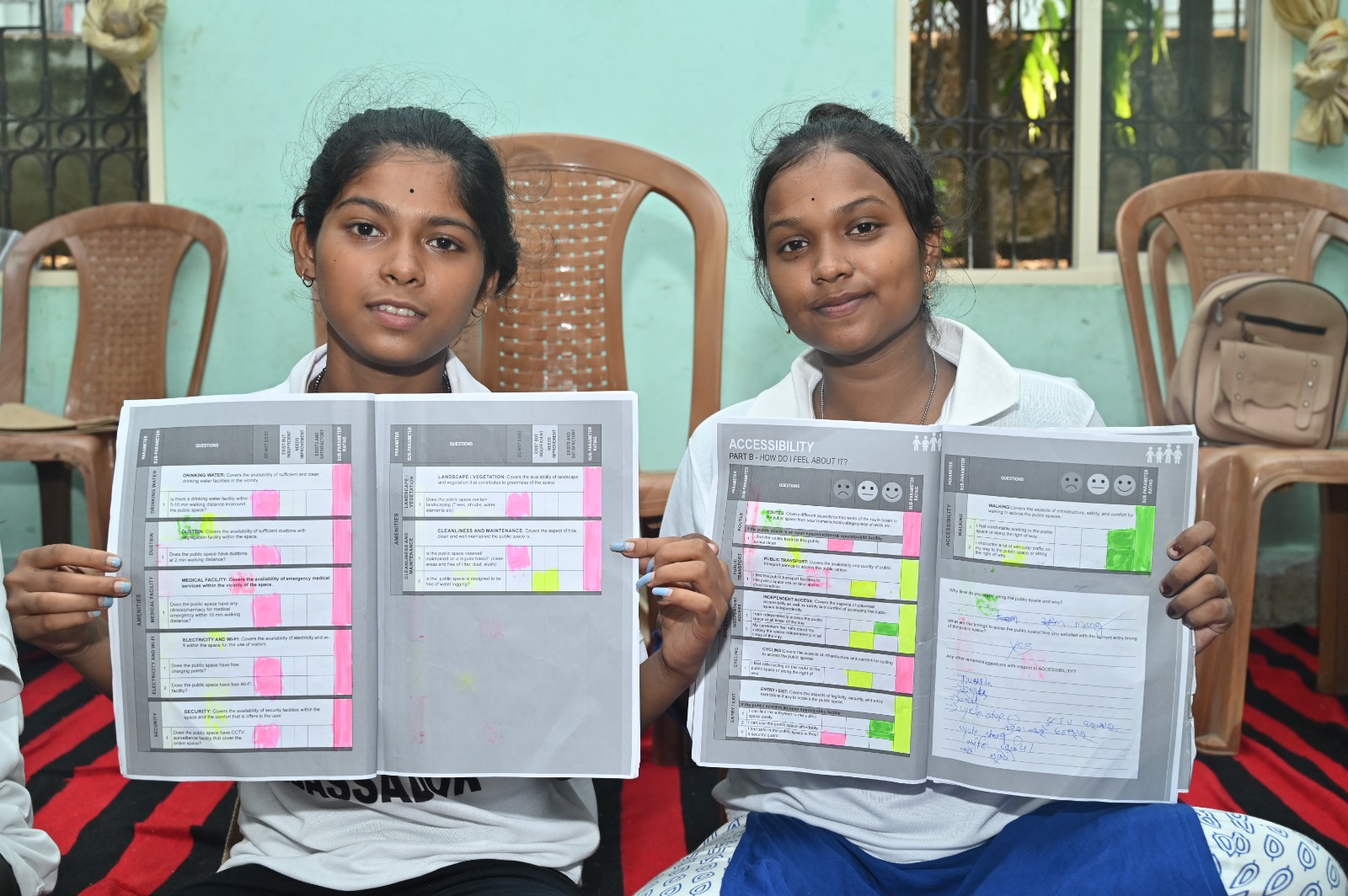
As one adolescent (19, Jaipur) put it: “We could share what we feel and face in the space, and officials could understand it clearly.”
For city authorities, the shift is equally tangible.
Suvendu Kumar Sahu, Additional Commissioner of Bhubaneswar Municipal Corporation, noted: “We see an opportunity to work with adolescent groups in collecting ward-level information about public spaces. This will speed up how we identify sites for improvement.”
Ratnakar Sahoo, Additional Commissioner at Bhubaneswar Municipal Corporation, added:
“This framework helps us understand public spaces more completely and work with communities to improve them.”
By combining structured assessment with lived experience, the PSAF has generated a form of evidence that cities can act on – grounded, local and immediately relevant. What might once have been dismissed as anecdotal is now supported by systematic data and real-world testing.
Beyond individual spaces
Supported by the HCA programme, the approach is now gaining traction beyond individual sites. City departments are beginning to share learnings, and interest is growing in expanding the model to other areas.
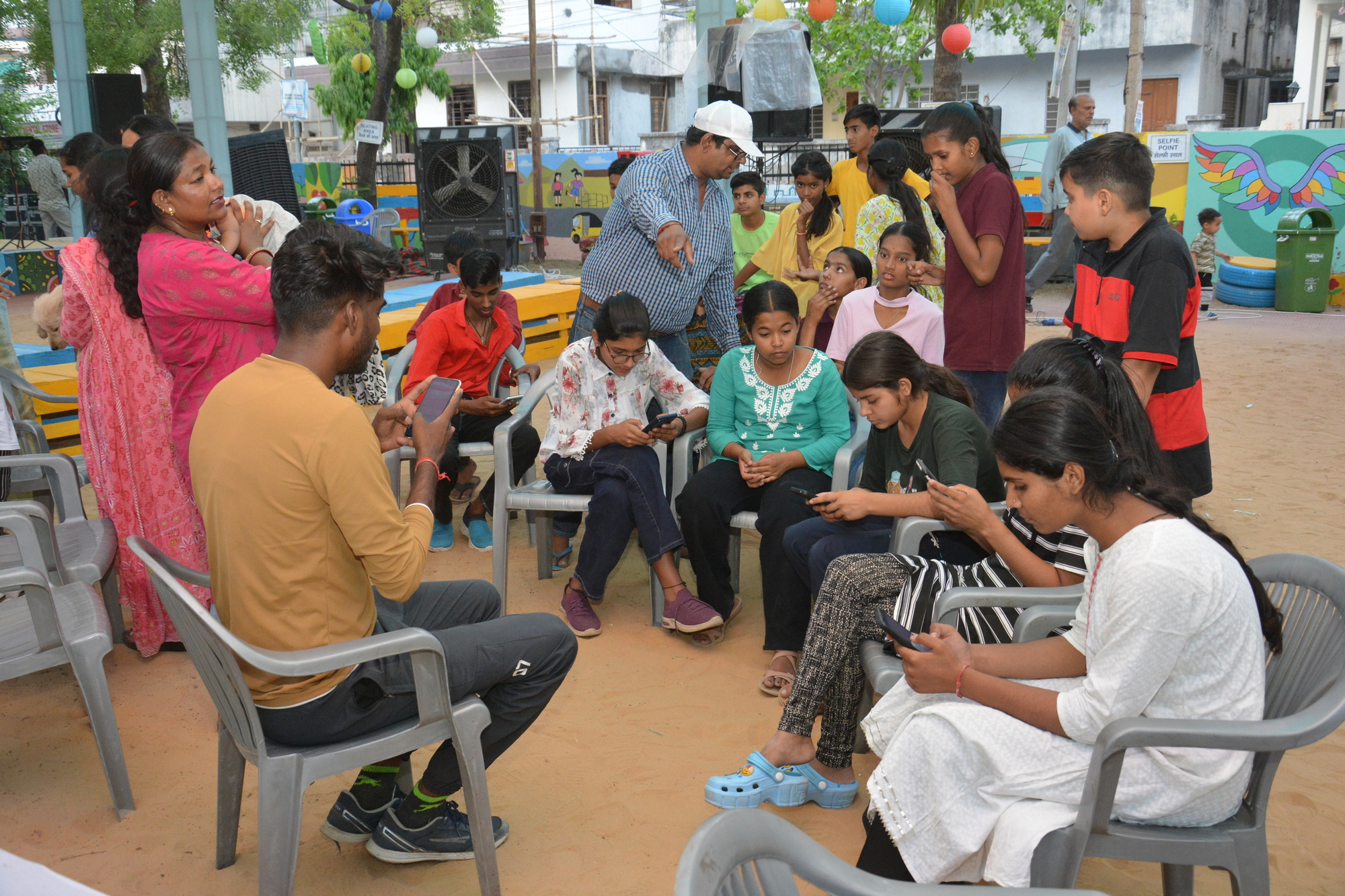
What is emerging is not just a better way to design public spaces, but a different model of governance – one in which adolescents are not consulted after decisions are made but involved in shaping them from the outset.
There are still challenges ahead, particularly in ensuring broader inclusion of adolescents from different backgrounds. And long-term impact will depend on how consistently these practices are embedded in city systems.
But one shift is already visible.
When adolescents are given the tools and the mandate to participate meaningfully, they do more than describe problems.
They help cities make viable solutions.