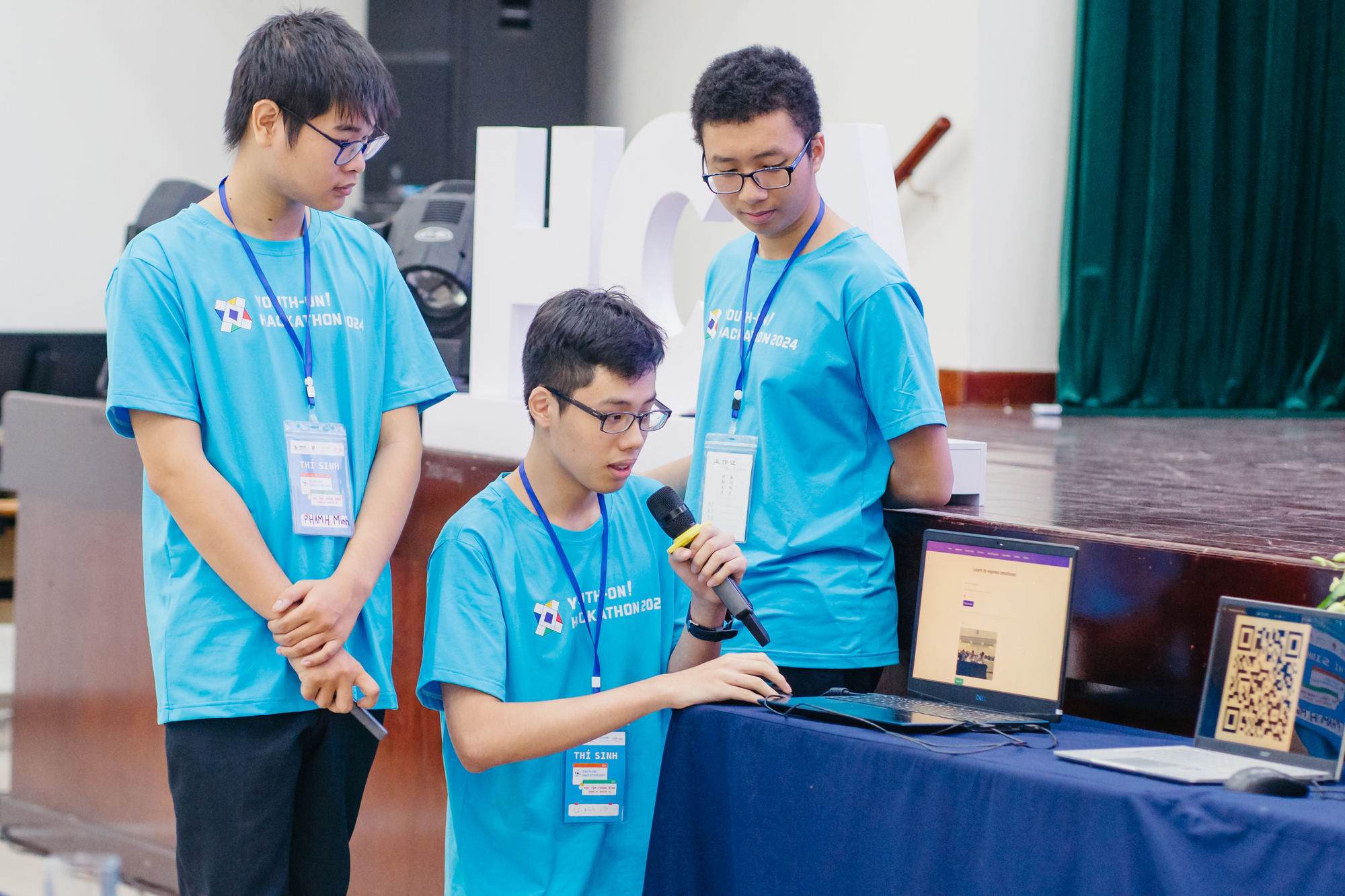
On a humid afternoon in Da Nang, a group of teenagers stood in front of a panel of city officials, presenting an idea that, until recently, no one had asked them to develop.
It was a prototype for a digital learning tool – designed not by educators or engineers, but by students themselves. The goal was simple: help children with ADHD focus through gameplay.
For the city officials in the room, it was a glimpse into something new.
Not just a solution – but a different way of building one.
From users to co-creators
Da Nang is one of Vietnam’s leading digital cities, integrating technology into public services, education, and urban management, with ambitions to become a regional innovation hub. Yet until recently, these systems followed a familiar pattern: designed by institutions, tested by experts, delivered to users.
Young people – despite being among the most active users – were rarely part of the process that shaped them.
That began to shift with the Co-creating Healthy Cities for Adolescents and Youth in Vietnam initiative, implemented under the Healthy Cities for Adolescents programme. Instead of being consulted at the end, adolescents were brought into the process from the start – helping define problems, design solutions, and test them.
The process began with something simple: asking adolescents how digital life actually feels. This was done at scale: 694 adolescents contributed through surveys, while 1,012 participated in polls, helping shape the themes and priorities of the initiative.
Turning insight into solutions
Over two years of 2023 and 2024, more than 700 young people aged 12 to 19 took part in hackathons such as Youth On! Hackathon (YOH) and U-Invent moving through the full cycle of engagement – from consultation to co-design, prototyping, and presentation of solutions. They mapped their own experiences of digital life – mental health pressures, online risks, the limits of remote learning – and then worked in teams to turn those insights into tangible solutions.
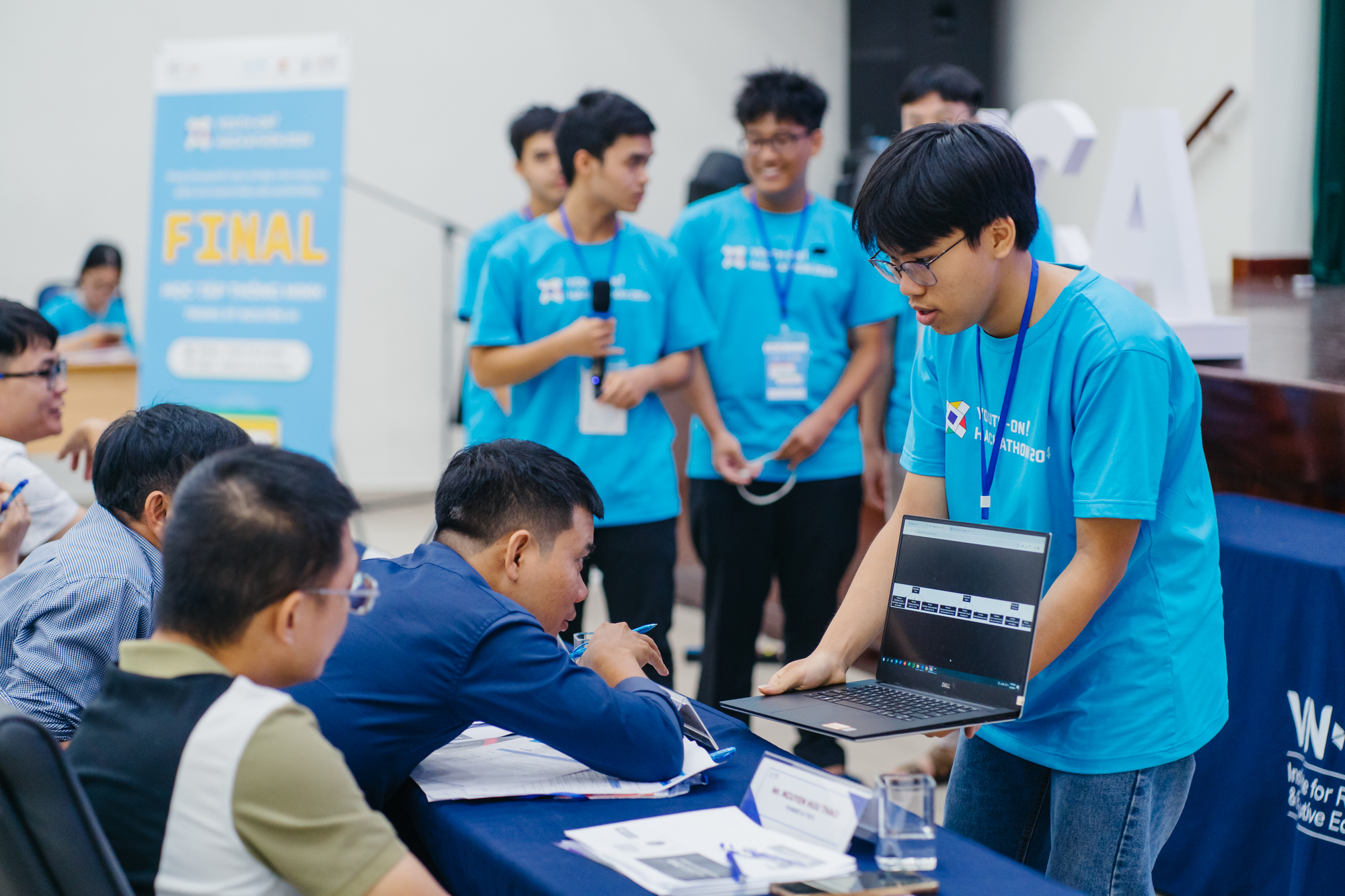
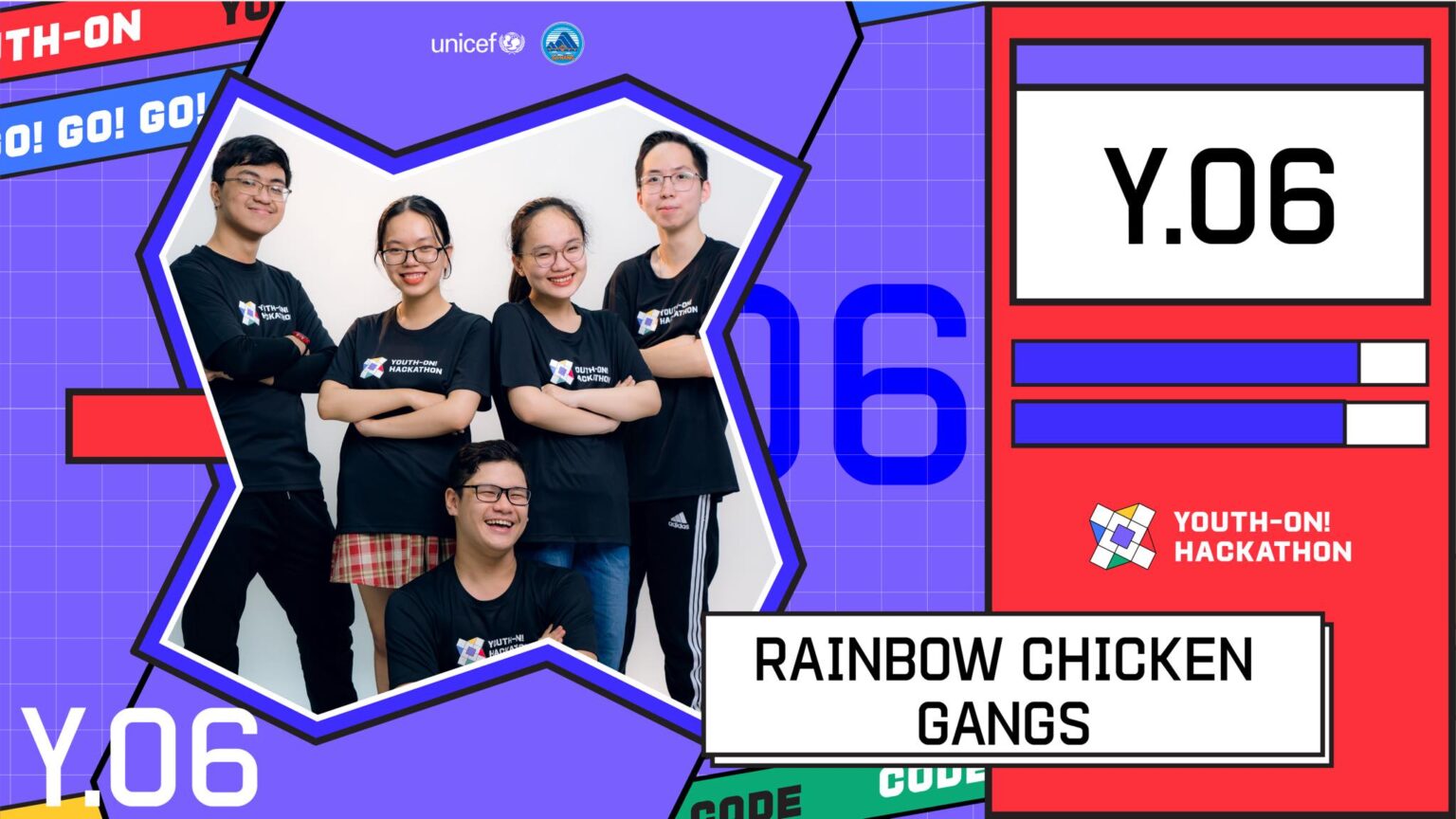
Bao Long, 18, was part of the Genius Grid team, whose project Supernova – an educational platform designed for children with autism – won both the Community Impact Award and the Encouragement Prize at Youth On! Hackathon 2024.
“I’ve observed that mental health is increasingly crucial in today’s fast-paced world,” he said. “I believe my product can positively impact my friends and society as a whole.”
What emerged was a wide range of tools: AI-supported learning platforms, mental health applications, and inclusive digital services designed for users often overlooked – from children with attention disorders to visually impaired learners, as well as sign-language learning tools and solutions supporting children with autism.
Importantly, adolescents influenced not only the solutions, but how problems were defined in the first place – bringing lived experience into how data was framed and priorities were set.
At times, these ideas travelled beyond prototypes.
During the COVID-19 period, youth participants also documented what wasn’t working in online learning – not just access, but experience. When these insights were shared with schools and local stakeholders, they helped shift how the problem was understood, and informed adjustments when offline learning resumed.
Quang Huy, 16, was part of the JubiLearn team, which explored how the web could be used as a platform for learning, knowledge-sharing and connection during Youth On! Hackathon 2021. “Most of us who are passionate about coding are self-starters… What I gained most was the learning experience… That was what we needed,” he said.
A system beginning to listen
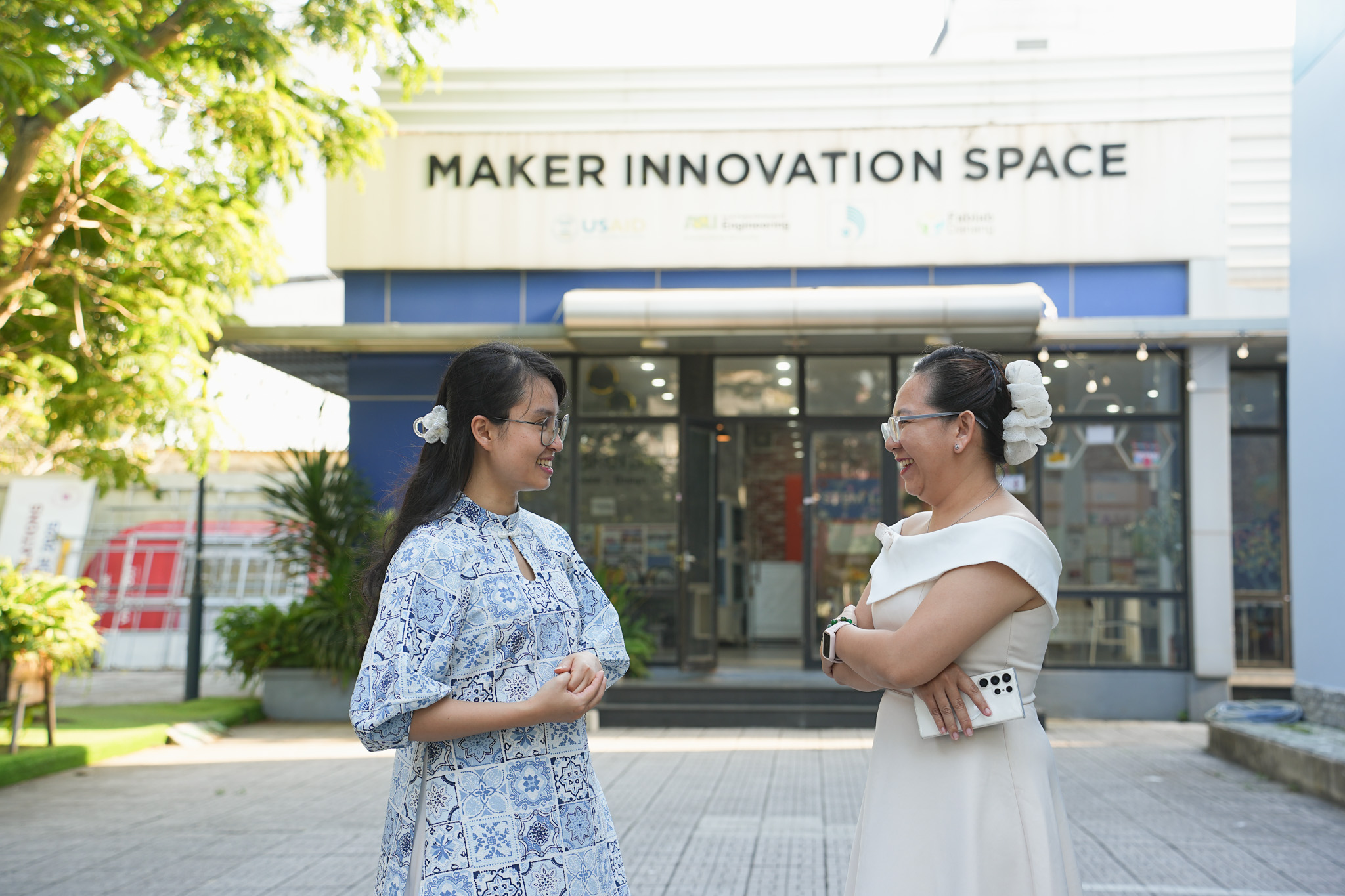
What is changing in Da Nang is not only what young people build – but how institutions respond.
Through platforms such as the Adolescent and Youth Advisory Group and Children’s Councils, adolescents are increasingly contributing to discussions on digital services, education, and urban development. Their role is not yet fully institutionalised, but it is no longer incidental.
“Young people approach problems like a blank sheet of paper, and the products they create are often very close to real market needs,” said Minh Ngọc, Deputy Executive Director of the Da Nang Business Incubator.
Outputs from youth-led initiatives are now shared with city departments, social organisations, and private-sector partners, creating pathways for adolescent insights to inform planning and decision-making processes.
For the adolescents involved, the impact goes beyond what they build. They learn to define problems, test ideas, and present them to decision-makers – gaining confidence not only in using digital tools, but in shaping them. Many leave with a clearer sense of direction towards careers in technology, innovation, and social impact.
The question now is whether this remains an initiative – or becomes part of how the city works.
In Da Nang, there are early signs of the latter.
As part of project sustainability plans, a Youth Innovation Hub is being established within a university-led innovation space, while partnerships between the city, academia and development actors are beginning to formalise – embedding youth participation into a broader innovation ecosystem.
The model is also being institutionalised through integration into VNUK’s Maker Innovation Space, alongside training-of-trainers approaches and partnerships with the wider innovation ecosystem – positioning youth engagement as a sustained part of the city’s digital transformation.
Digital transformation is often treated as a technical process. In Da Nang, it is becoming something else: a question of who gets to shape the systems that define everyday life.
And increasingly, the answer includes those who were once expected only to use them.