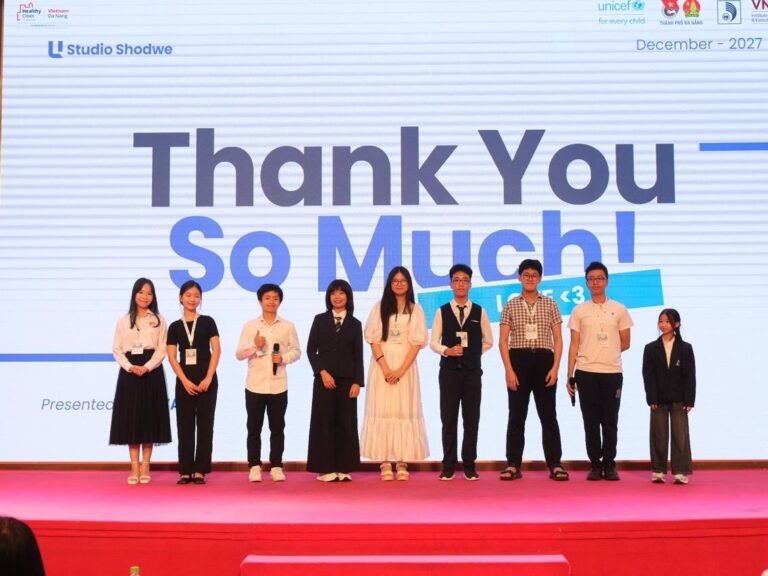
In Da Nang, Vietnam, adolescents are making their voices count – influencing the decisions that shape their lives and communities. The city’s Children’s Council, first established in 2016, has evolved into a model of meaningful participation where the ideas raised are listened to, documented, and – where possible – acted upon.
Supported by the Healthy Cities for Adolescents (HCA) programme through the project “Co-creating Healthy Cities for Adolescents and Youth in Viet Nam”, the initiative ensures that adolescents’ voices directly reach policymakers – from local wards to the city level.
From pilot to citywide participation
The Children’s Council model was initially piloted in seven districts and now operates across 33 local councils at commune and ward levels, alongside one city-level council – making Da Nang the first locality in Viet Nam to run the model at three administrative levels: city, district, and commune.
Each Council gathers twice a year to present recommendations to city leaders on key issues such as school safety, mental health, and digital wellbeing. Their ideas are discussed at People’s Council meetings and policy dialogues, ensuring that the concerns of adolescents feed directly into city planning and action.
15-year-old Phùng Ngọc Tâm, a member from Hoa Vang District, described how the process works: “We gathered opinions from classmates on issues like e-cigarettes and school violence, then presented them to city leaders. It made us proud to see our proposals discussed – and later, the National Assembly approved a law banning e-cigarettes in schools.”
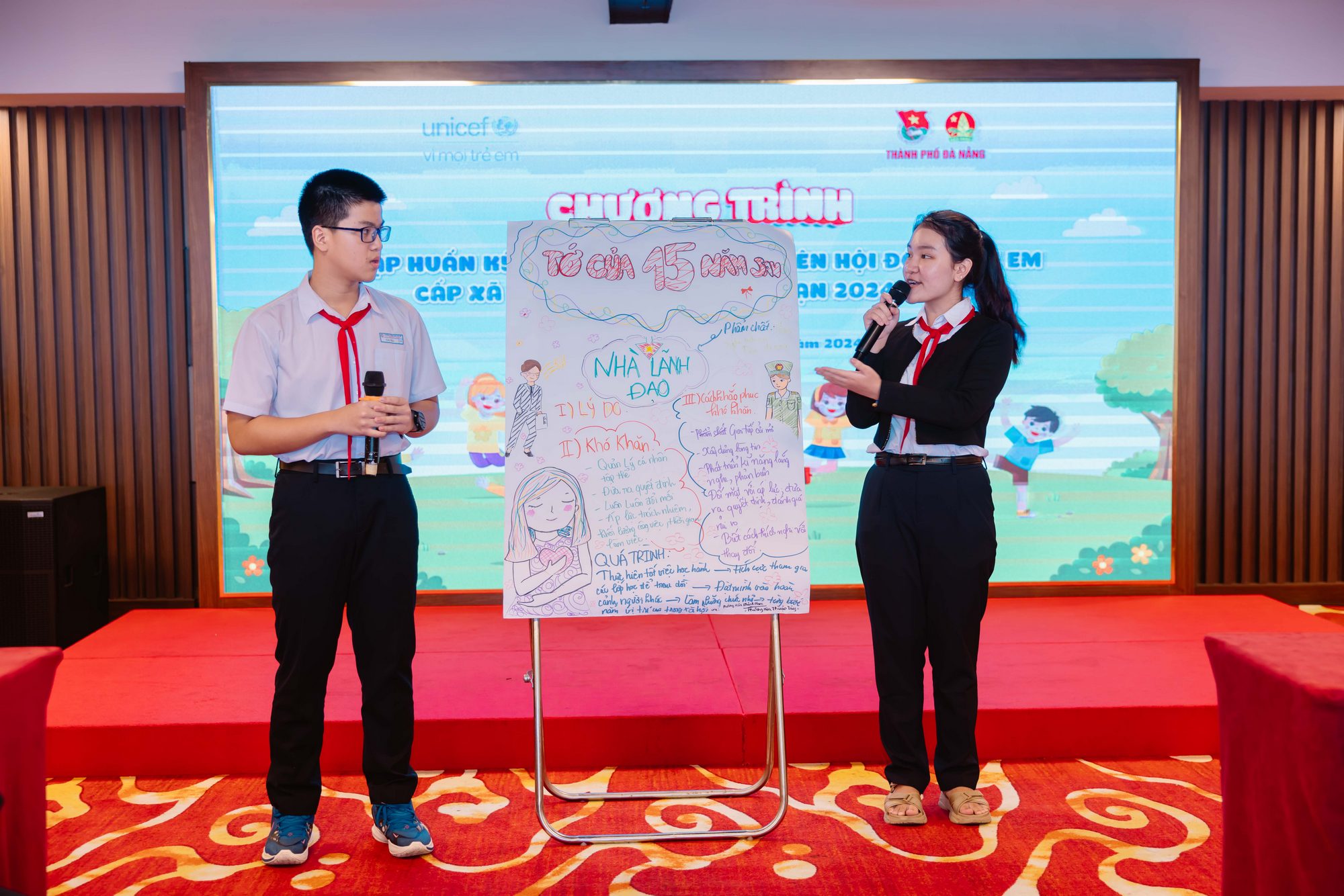
Another young participant, 15-year-old Lê Đăng Phương Oanh, shared how the Council inspired her to take action in her community. She proposed setting up suggestion boxes, anti-violence campaigns, and support activities for children in need. “I also dream of building a playground in my hometown and launching a ‘Green Reading Station’ – a fanpage and library to inspire children to read, connect, and grow with confidence,” she said.
From dialogue to action
The Children’s Council has moved beyond consultation to create visible change across Da Nang. After a series of dialogues with adolescents, the city invested in 21 new playgrounds worth 4.2 billion VND (€160,000), offering safe and inclusive spaces for children to play. In 2022, a further 4 billion VND (€150,000) was allocated to support disadvantaged students.
Ms. Nguyen Thi Anh Thao, Former Deputy Secretary of the Da Nang Youth Union, said that “over the past two years, many recommendations from the Children’s Council have been taken up. Issues such as e-cigarettes were even discussed at the 2024 National Assembly, while proposals on life skills and mental health have guided new initiatives by schools and youth organisations.”
Children’s ideas have also shaped policies with lasting impact. One proposal – to reduce textbook costs for disadvantaged students – was adopted citywide, making Da Nang one of Viet Nam’s first localities to implement the policy.
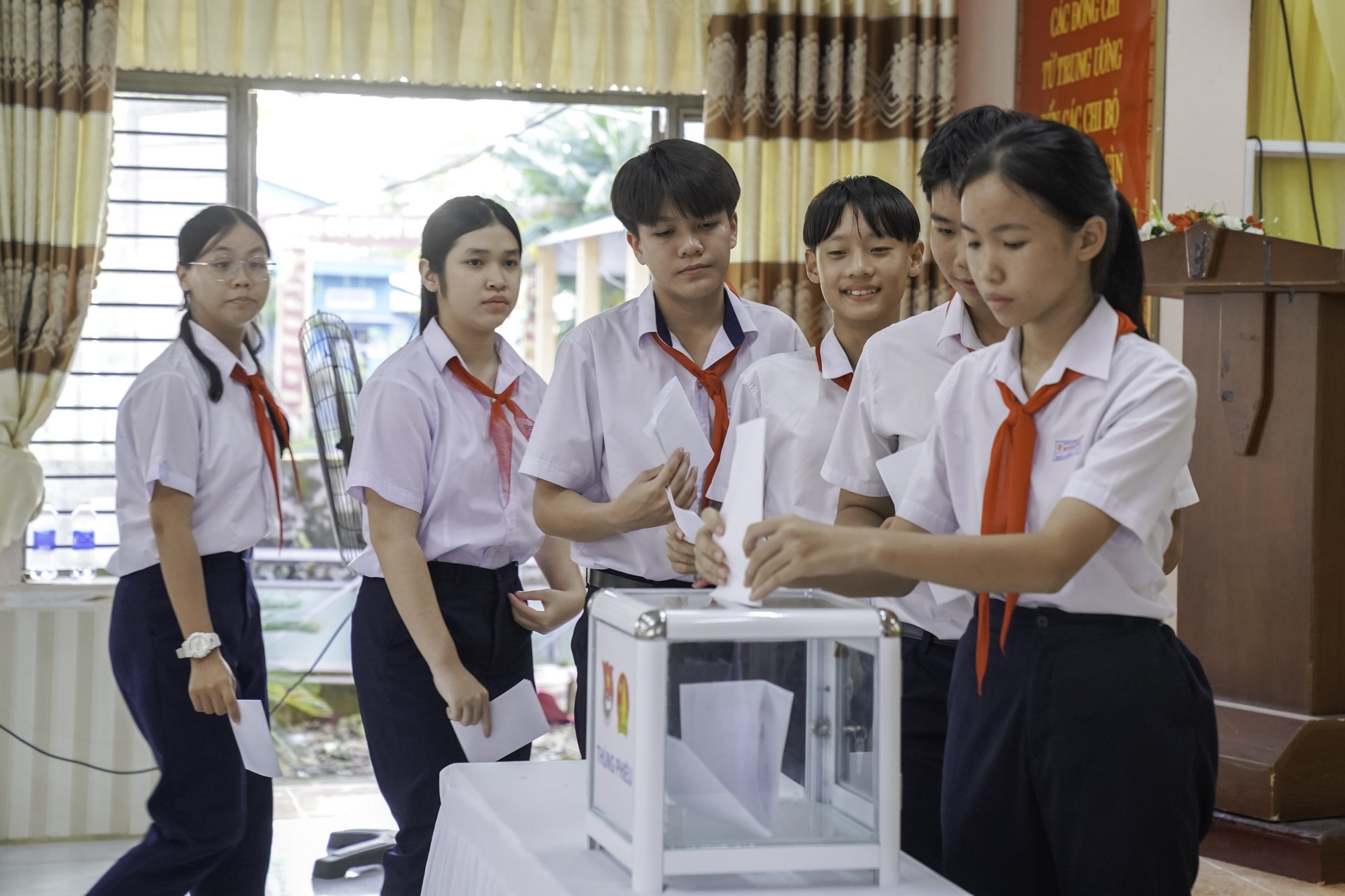
Beyond new playgrounds and policies, the Council has inspired youth-led campaigns on anti-violence, inclusion, and digital safety, showing how adolescents’ input can translate into action at every level of the city.
A model for meaningful engagement
The model’s structure and results have drawn national recognition. As Ms. Phan Quynh Dao, Former Deputy Director of the Department of Labour, Invalids and Social Affairs of Can Tho Province, noted, “Da Nang is the first locality to establish the Children’s Council at all three levels. What’s remarkable is that children don’t just participate – they take action, designing communication campaigns and proposing real programmes.”
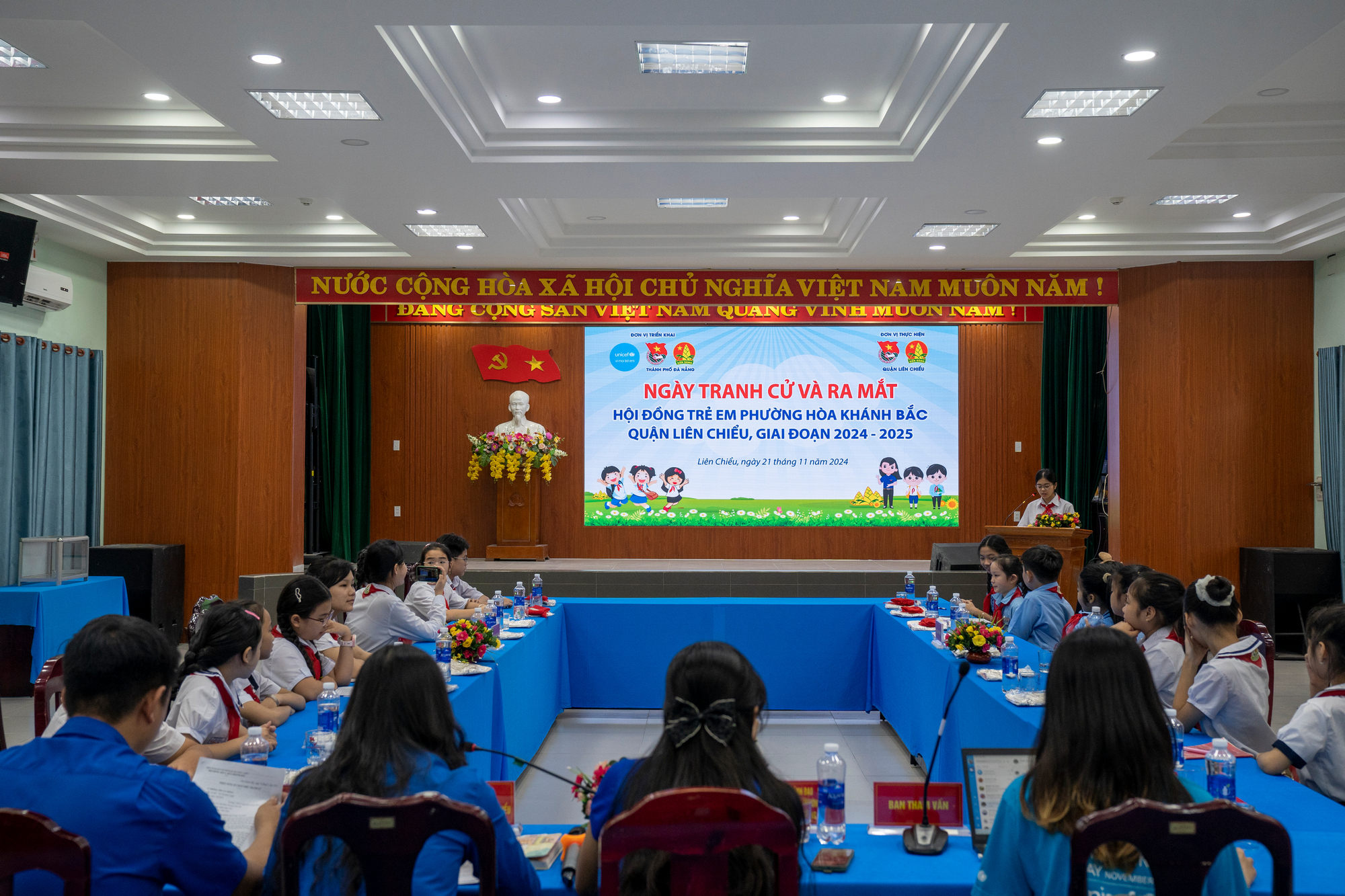
The Council has also become a platform for learning and leadership development. Adolescents build public speaking and teamwork skills, while adult mentors – teachers and youth leaders – are trained to guide inclusive, child-centred processes.
Despite its achievements, the programme continues to evolve. Most members are still recruited through schools, making it difficult to engage out-of-school youth. Around 5% of representatives come from ethnic minority or disadvantaged backgrounds, and the city aims to raise this number to ensure broader representation.
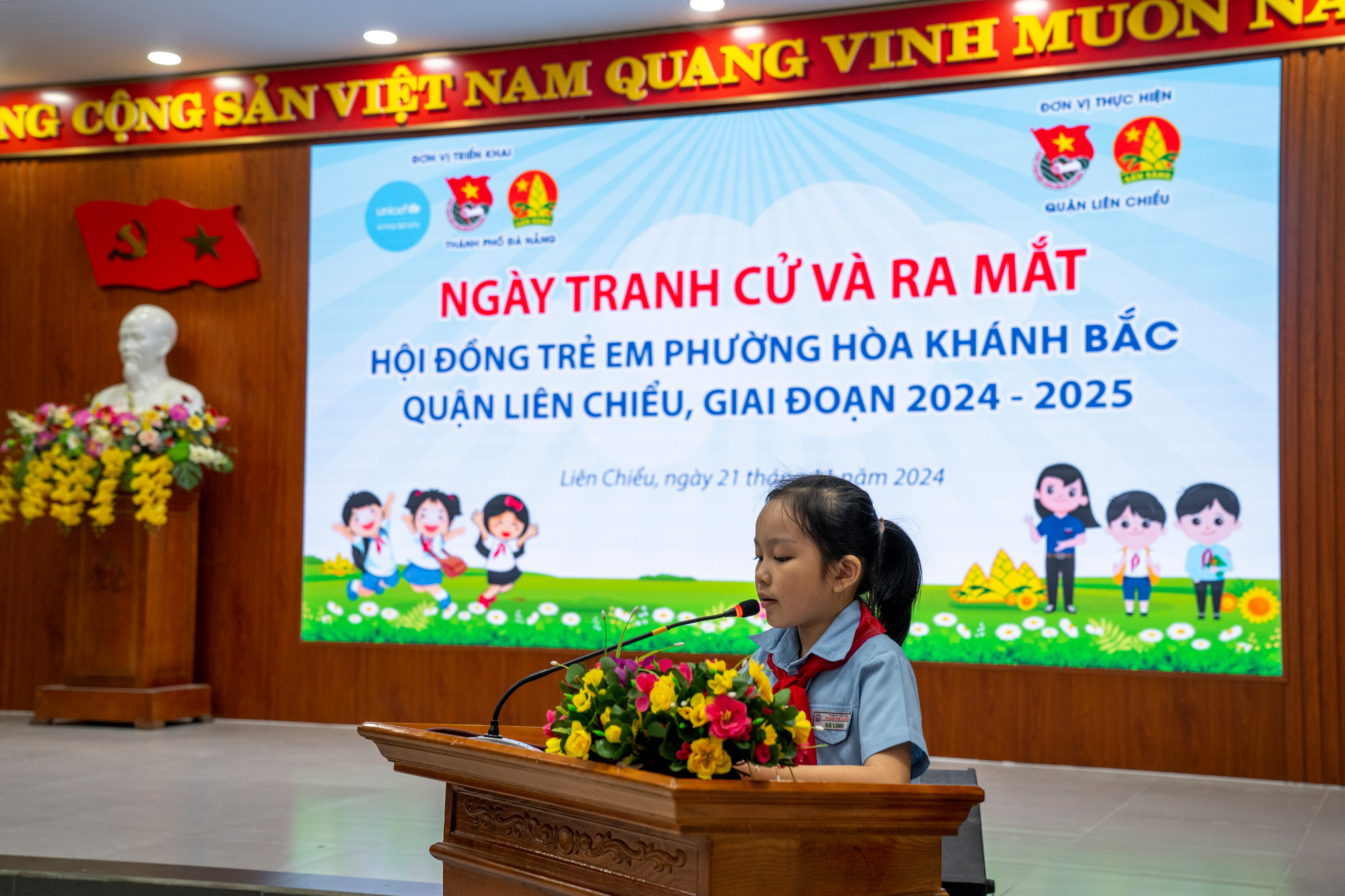
Da Nang’s experience has drawn attention from other Vietnamese cities that want to replicate the model. What makes it stand out is not only representation, but also accountability: every dialogue is documented, and every proposal receives a follow-up response.
As Da Nang continues to grow as a dynamic coastal city, its Children’s Council stands as a reminder that progress begins by listening. The city’s vision of becoming a child-friendly, healthy, and inclusive city is no longer an aspiration – it is being built, one young voice at a time.