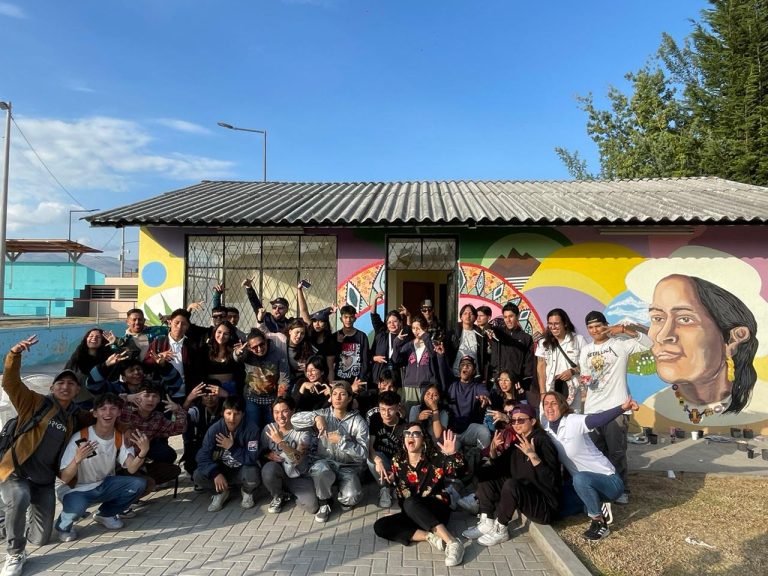
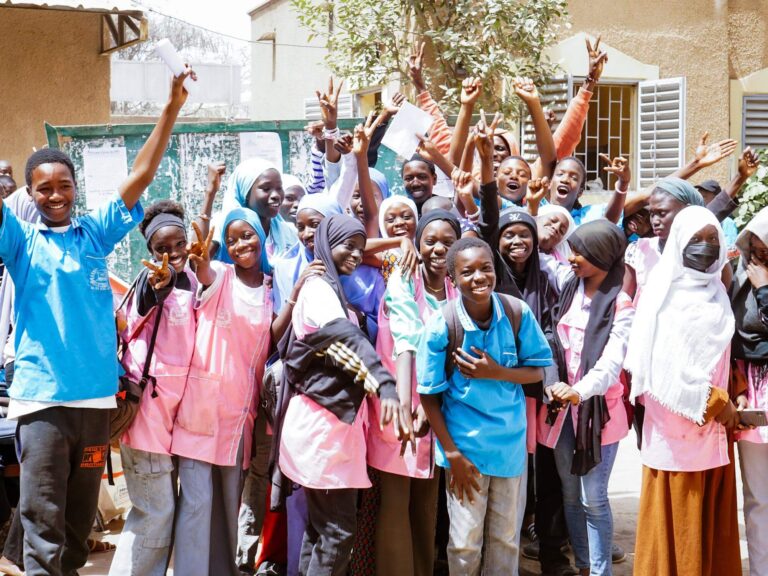
The Healthy Cities for Adolescents (HCA-II) programme is launching a new way to understand change – the Participatory Video Most Significant Change (PVMSC) evaluation, in partnership with InsightShare.
PVMSC puts adolescents at the centre of evaluation, allowing them to decide what changes matter most, document these through video, and share their stories with their communities and local leaders. Through story circles, collaborative analysis, and community screenings, young people themselves shape how change is understood and communicated in their cities.
Why this approach matters
Traditional evaluation tools often overlook the personal, unexpected, and deeply meaningful shifts that young people experience. PVMSC helps surface these stories – told in adolescents’ own voices – in ways that strengthen local ownership, inspire dialogue with decision-makers, and support advocacy for healthier and more inclusive urban environments.
For HCA-II, this approach goes beyond evaluation. It represents a commitment to centering adolescents in learning, strengthening project-led analysis, and generating powerful, youth-driven stories that can influence policy and practice. It also reflects the principles of the Equitable Evaluation Framework, which calls for evaluation practices that advance equity and value diverse ways of knowing.
From stories to insights
At the programme level, the stories and insights emerging from PVMSC will directly inform the HCA Impact and Learning Synthesis. Together with other data, these participatory narratives will help the programme understand not only the breadth and depth of change, but also how it happens.
By synthesising meaning created at project level, the programme will identify patterns and lessons that resonate across six countries – keeping learning grounded in adolescents’ voices while connecting experiences globally. This evidence will inform future programming discussions, helping HCA adapt to the needs and priorities of young people.
Youth evaluation teams and partners across six countries are now preparing to bring this process to life. Their short films will soon be shared locally – capturing both the heart of HCA-II and the possibilities of adolescent-led change.